

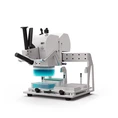


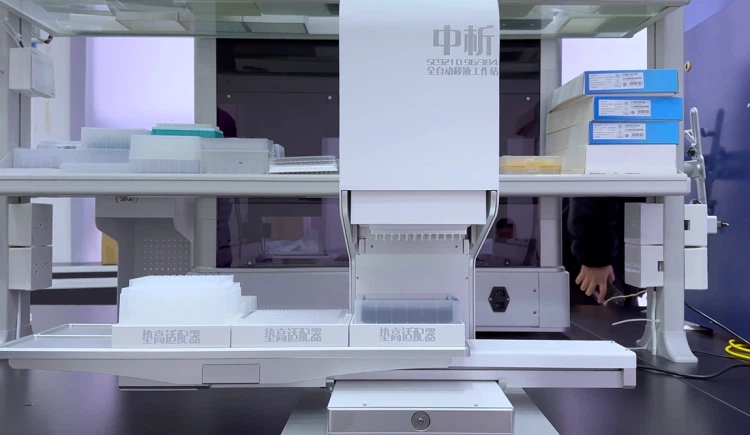
Counter Automatic Pipetting Workstation
PRCXI: Your Professional Counter Automatic Pipetting Workstation Supplier!
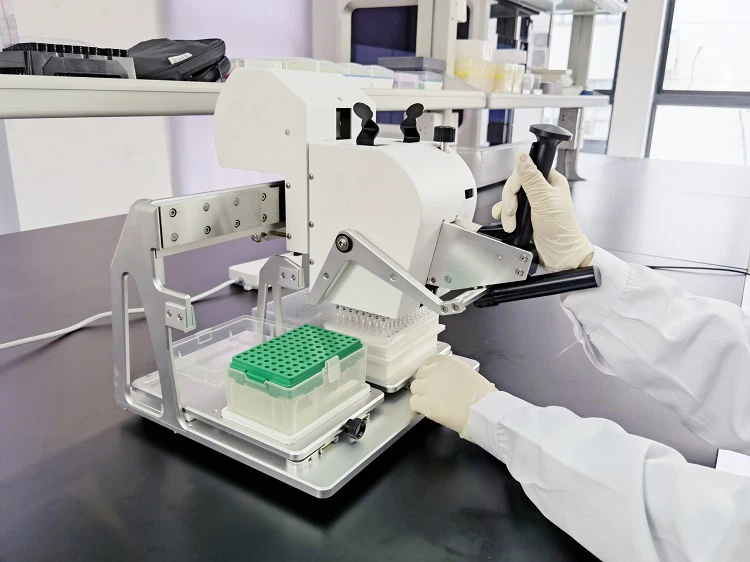
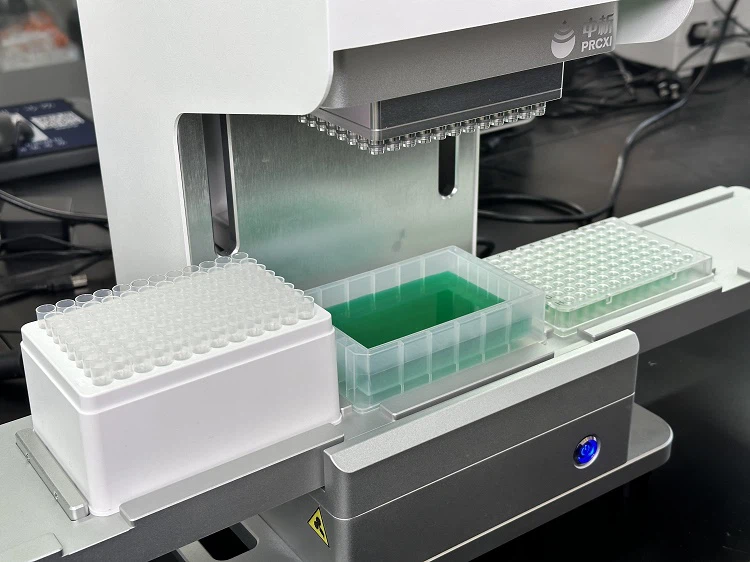
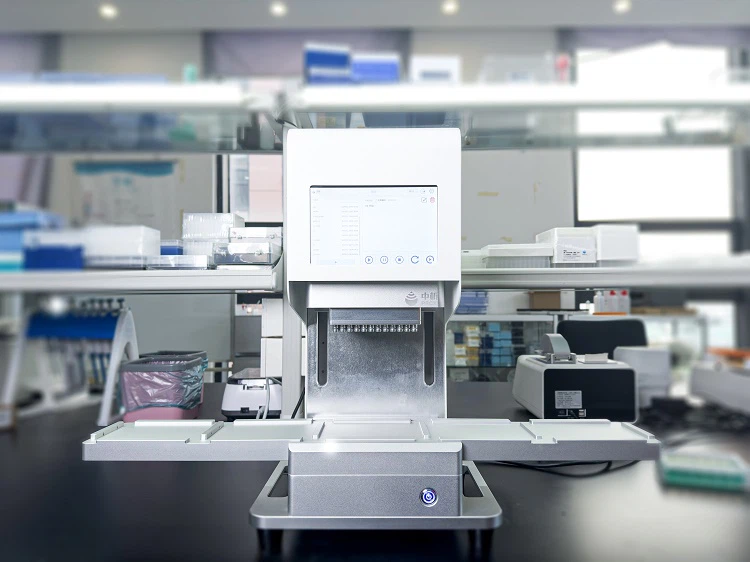
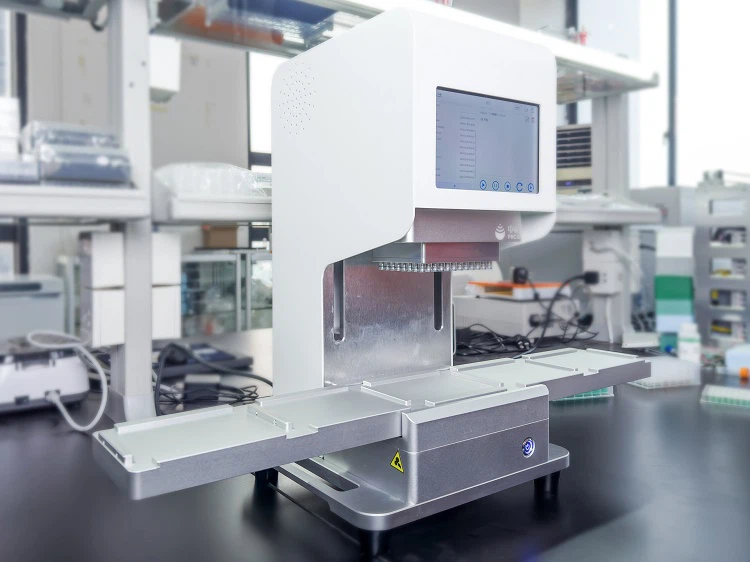
PRCXI Bioinformatics Co., Ltd. is a supplier of pipetting workstations located in Suzhou, China. Our company was established in 2014, with a 17,000-square-meter modern R&D center and a high-quality team, launched the first domestic automated pre-processing platform system with independent standards. Currently, our main products are pipetting workstations, including SC9000 manual pipetting workstation, SC9100 semi-automatic pipetting workstation and SC9320 fully automatic pipetting workstation, as well as matching magnetic stands, adapters and functional modules.
Rich Product Range
Our product lines are very rich, including high-precision micro-liquid processing platforms, fully automatic cup dispensing systems and fully automatic nucleic acid extraction systems, as well as various supporting consumables and application technologies.
Well Equipped
Our factory consists of mold processing, testing, CNC processing, sheet metal processing, assembly workshops, etc., and is equipped with advanced production equipment such as Taican precision machines, Huaqun machine tools, STAR SB20R G type, etc.
Multiple Partners
We have established friendly cooperation with a number of well-known partners in the industry, including WuXi AppTec, DIAN Diagnostics, Mgi Tech, and research institutions represented by Tsinghua University.
Quality Assurance
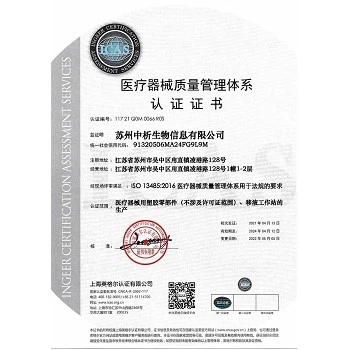
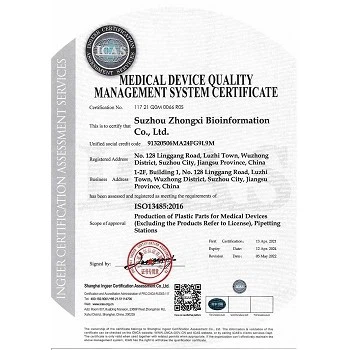
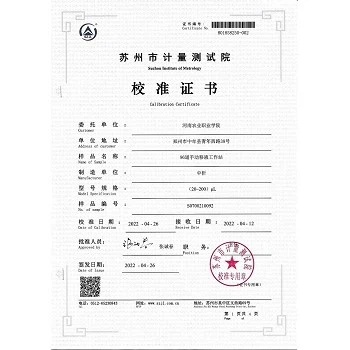
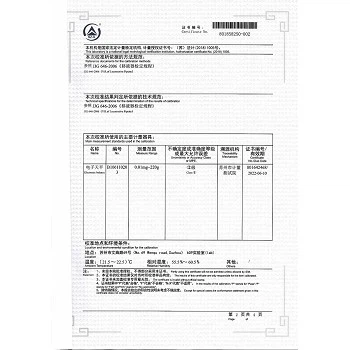
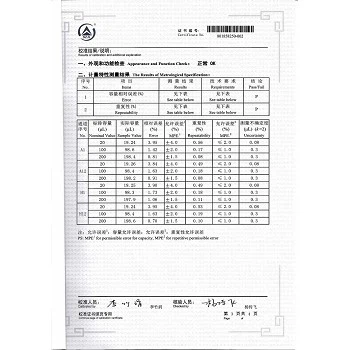
All our products undergo functional inspection and quality testing after production, and comply with ISO, CE and other standard certifications, and have multiple instrument quality testing certificates.


What is Counter Automatic Pipetting Workstation?
A counter automatic pipetting workstation is a liquid handling instrument that can help increase workflow efficiency, accuracy, and throughput. They are also known as "liquid handling robots" and are used to quickly transport small and precise amounts of liquids. Automated pipetting workstations can be used for aliquoting, mixing, pooling, serial dilution of liquids, copying. Electronic pipettes are more precise and accurate because they use a motor to control piston movement, so you will always dispense exactly the volume programmed.
Features of Counter Automatic Pipetting Workstation

User Friendly
These pipetting stations provide the flexibility to set up assays the way you want to automate them, including easily adding third-party components to the system. At the same time, they are equipped with a new multifunctional status light that allows you to instantly identify the process status of your pipetting, even from a distance.

Compact Structure
These fully automated liquid handlers offer a two-shelf platform for large or small volume injections and automated fraction collection into tubes, vials, or microplates. Their linear benches have a small footprint but are ideal for labs that need increased throughput.

Higher Capacity
Our automated pipetting stations combine our patented technology with smart software to automatically heat and shake ANSI/SLAS footprint microplates. Multiple units of them can be integrated and connected via control boxes for higher throughput applications.

Less Residue
With a highly sealed design between the various components of these pipettes, you can deliver liquids to the valve in limited volumes without any connecting tubing, helping to reduce carryover and contamination.
Application of Counter Automatic Pipetting Workstation
There is a growing demand for reliability and scalability of experiments, particularly in cell culture and genomics-focused laboratories, where sample preparation has become a considerable bottleneck. In such laboratories, there is a large proportion of routine practices that have the potential to be automated, for example, high throughput next-generation sequencing (NGS) for cancer genomics research.
NGS
It has been reported that UK laboratories take at least 6 days to complete NGS for genomics analysis, likely due to the fact that library preparation for NGS can consume 8 hours of hands-on time for one researcher. The use of benchtop automation can automate pipetting for genomics.
Cell Culture
There are also benefits of automated liquid handling in cell culture laboratories. The precision of automated pipetting means that, for example, more than 95% of cells, when using liquid handling robots to aspirate cell media, will be retained. An automated pipetting system can provide a high throughput, streamlined ecosystem when embedded into a cell culture workflow. As productivity will rise as the sample preparation bottleneck is relieved.
Benefits of Counter Automatic Pipetting Workstation
There are many benefits associated with the use of automated liquid handling systems, in comparison to semi-automated or manual pipetting, including higher productivity, enhanced reproducibility, and a more efficient workflow.
Increased Throughput and Productivity
Using an automated pipette allows for the processing of more than 100 samples an hour, a significantly higher throughput than manual or semi-automated pipetting. Laboratory personnel can be more productive with their time, often having greater job satisfaction as the mundane pipetting tasks are now automated.
Improved Reproducibility
Despite the high throughput, automated pipetting does not compromise on data quality. Automated liquid handling greatly enhances the reproducibility between assays, as monotonous pipetting tasks can be repeated without the robotic system tiring or deviating from its programmed operation, reducing the variability between scientists and assay repeats.
Efficient Workflow
Manual pipetting can consume over 80% of a researcher's workday. In contrast, automated pipetting systems operate without the need for human intervention, alleviating the pipetting bottleneck and freeing up laboratory staff to perform more innovative research. The workflow of laboratory processes is made more efficient, saving on time and costs, and can even continue running on a 24/7 basis if required.
Handling of Hazardous/Precious Samples
By completely removing the requirement for human interaction with the pipette head and/or tips in liquid handling automation, hazardous and precious samples can be safely pipetted. The transfer of liquids can be completed without concerns over the risk to the researcher, or the risk of losing important samples. The danger of laboratory staff developing repetitive strain injuries associated with manual pipetting is also eliminated.
Main Components of Automated Pipetting System
Whilst there is some variation between different instruments, most automated liquid handling systems contain the following components.
Pipetting Head
The pipetting head is where the liquid transfer occurs, using either single or multiple channels of pipette tips to transfer the liquid between vessels.
Mechanical Motors and Actuators
Motors within the liquid handling instrument precisely control the placement of the pipetting head and other robotic elements, and actuators are used to govern the flow of liquid.
Waste
A disposal system for waste by-products (e.g. disposable pipette tips or unwanted liquid) is incorporated into the system to achieve automated, efficient operation.
Control Centre with a User Interface
Movement of the robotic components that make up the automated pipetting system is controlled via the control centre. The unit will usually include a user interface that allows the operator to configure programmes and monitor the progress of the experiment.
Working/Substrate Deck
A working area (also known as a substrate deck) is the allocated space within which the pipetting head can move around to aspirate and dispense the liquid into plates (or other containers) that are placed in a pre-defined location.
Pipette Tips
The pipette tips are where the liquid is held once it has been aspirated. Automated pipette tips can be fixed onto the pipetting head permanently, or they can be disposable, depending on the intended application of the automated pipetting system and thus the consequence of cross-contamination.
Different Displacement Technologies of Automatic Pipetting Workstation
Automated liquid transfer systems employ various displacement technologies based on volume ranges and liquid types. Air displacement pipetting relies on an air cushion to move the liquid, while positive displacement pipetting uses direct contact between the liquid and a piston for precise and repeatable delivery. Non-contact technology, on the other hand, employs pressure pulses or sound waves to transfer small droplets of liquid. Each technology has its strengths and limitations, and the choice depends on factors such as the volume range and liquid characteristics required for your lab's workflows.
Air Displacement Pipetting
Air displacement pipetting is a commonly used technology that relies on creating an air cushion to transfer liquids. In this method, a pipette aspirates the liquid by creating a vacuum within the pipette tip. When dispensing, the air pressure is released, allowing the liquid to be expelled. Air displacement pipetting is suitable for a wide range of volumes, from microliters to milliliters. It offers versatility and is compatible with various liquid types. However, it may not be suitable for volatile or viscous liquids, as they can disrupt the air cushion and affect accuracy.
Positive Displacement Pipetting
Positive displacement pipetting involves direct contact between the liquid and a disposable piston or tip. As the piston moves, it physically displaces the liquid, ensuring precise and repeatable delivery. This technology is particularly useful for transferring viscous or volatile liquids, as it eliminates the air cushion and minimizes the risk of contamination. Positive displacement pipetting is often preferred for low-volume applications, such as handling microliter volumes. However, it may require specialized tips and is not suitable for transferring large volumes due to the limitations of the disposable piston or tip.
Non-contact Technology
Non-contact dispensing technology is a relatively newer method used for transferring small droplets of liquid. It utilizes pressure pulses or sound waves to generate pressure waves that eject tiny droplets from a source onto a target. Non-contact liquid handling systems can precisely control the volume of each droplet by adjusting the frequency and intensity of the pressure or sound waves. This technology is particularly advantageous for high-throughput applications where precise nanoliter or picoliter volumes are required. Non-contact technology offers contactless dispensing, reducing the risk of cross-contamination and sample carryover. Although non-contact dispensing can reduce pipette tip consumption overall, it is not relevant for steps that require aspiration of many source liquids such as plate replications or bead-based clean-ups.
Factors to Consider When Choose Counter Automatic Pipetting Workstation


Automated pipetting is one of the most effective ways to minimize human error, increase precision and accuracy, and speed up a lab workflow. However, deciding on the “must-have” components for successful workflow automation liquid handling depends on your goals and applications. This discusses some of the key points to consider when choosing a liquid handling platform for your laboratory.
Are You Starting with a Robust Process?
Liquid handling automation can greatly improve a manual workflow, but it cannot fix an assay that does not already work. Break your workflow down into individual steps, and think about the potential impact of each one on the overall workflow. For example, taking an assay from a manually pipetted, tube-based format to an automated, higher-density, plate-based workflow means that the samples and reagents will be on the deck for a much longer period of time. How might this affect the integrity of your samples and reagents?
How Will Your Needs Change?
To save money, it might be tempting to invest in a system that only meets your lab’s current needs, but in the longer term you could lose out. Consider which elements are essential, and which would be nice to have. A good automated liquid handling system should be reconfigurable so that you can take on new applications and workflows as needs change. With a flexible, modular system, many elements of your current workflows can be repurposed and upgraded.
Is There an Off-the-shelf Solution That Meets Your Needs?
Some specialized workstations have been optimized for specific applications with proven protocols, such as DNA extraction, sample preparation, and cell culture. This could vastly simplify your selection process, and still provide a useful “core” component to integrate into a larger system in the future. Off-the-shelf solutions designed with future integration and flexibility in mind are preferable to inflexible, “closed” platforms.
How Much Space Do You Have, and are You Using It Efficiently?
Space is often a precious commodity. Most liquid handling systems are now multiuser, which has increased the demand for flexibility and innovative use of space. Consider choosing an automated platform that can access space below the worktable to reach, for example, additional analytical or sample preparation devices, etc.
How Easy is It to Maintain and Service?
Don’t overlook servicing and maintenance. Ease of access by technicians can reduce downtime and disruptions to your workflow. Whether you are working in genomics, cell biology, drug discovery, molecular diagnostics, or something completely different, the right liquid handling system can make your life a lot easier. Important considerations include:
Do You Need Tips That are Guaranteed Sterile?
To minimize the risk of contamination, only use consumables that are labeled “sterile.” These are manufactured under stringent conditions and conform to packaging and transport standards that ensure tip sterility all the way to the lab bench. Products labeled “presterile” are sterile when they leave the manufacturer, but encounter many opportunities for contamination later.
Certificate Photo
Factory Photo

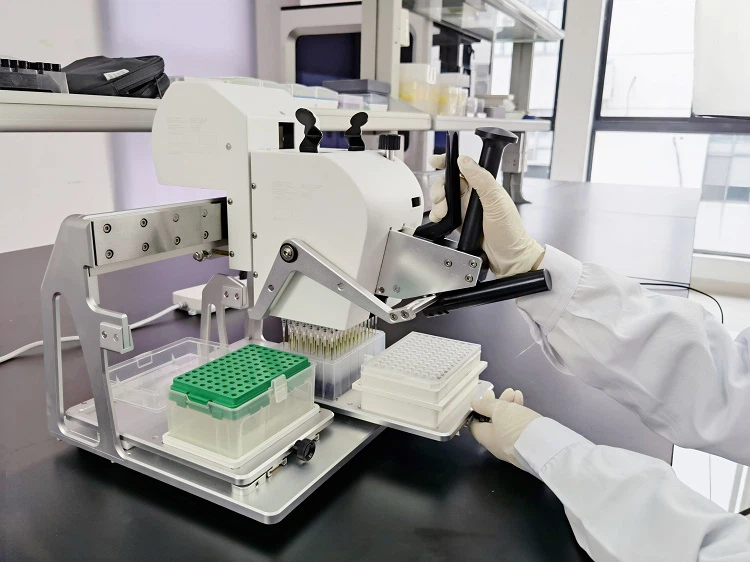


Frequently Asked Questions of Counter Automatic Pipetting Workstation
As one of the leading counter automatic pipetting workstation manufacturers in China, we warmly welcome you to buy counter automatic pipetting workstation for sale here from our factory. All customized products are with high quality and competitive price. Contact us for pricelist and free sample.
Nucleic and Extraction Workstation, 8 Channel Workstation, Cell Growing Workstations