

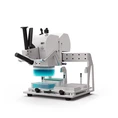


Adapter
PRCXI: Your Professional Adapter Supplier!
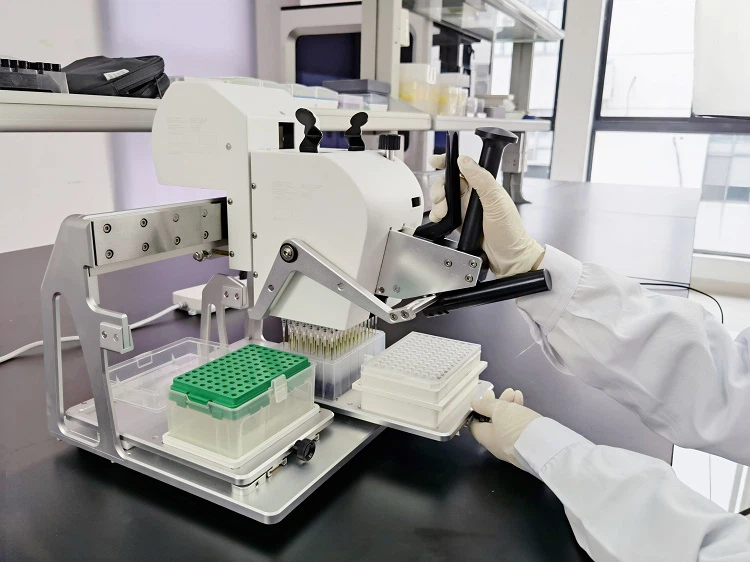
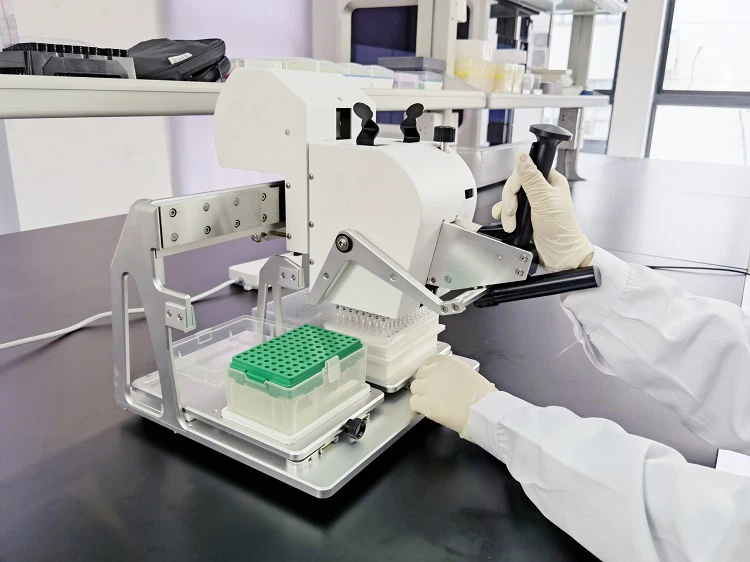
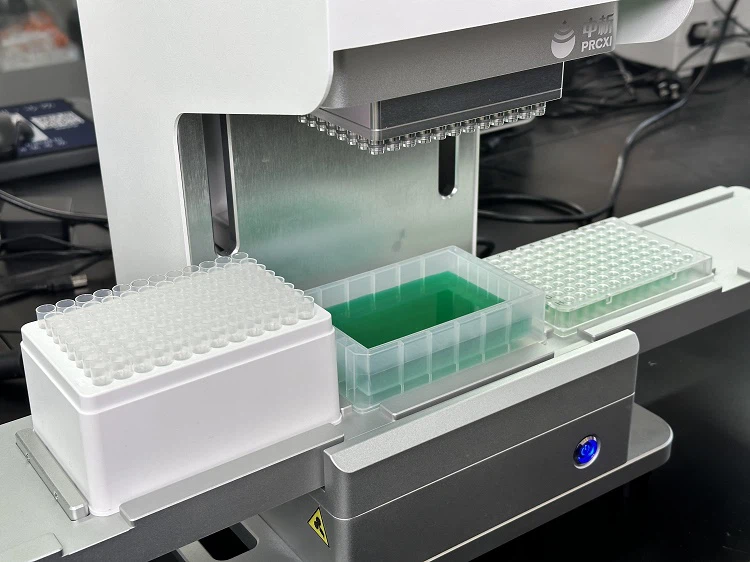
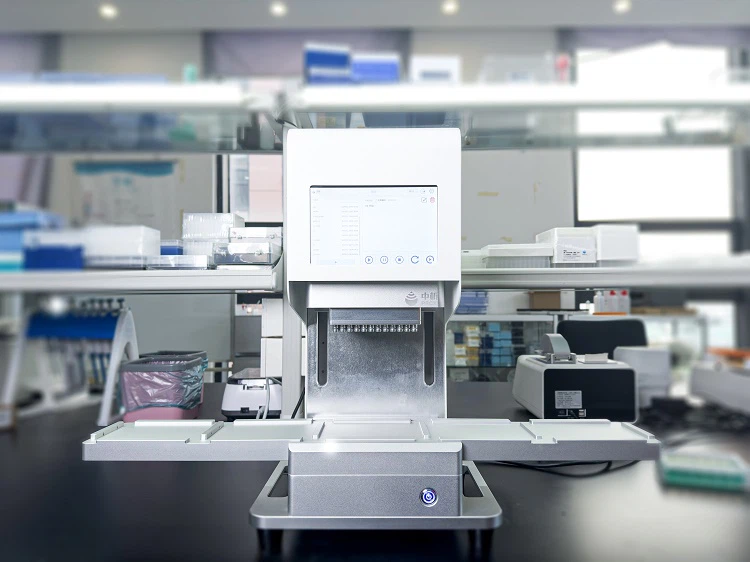
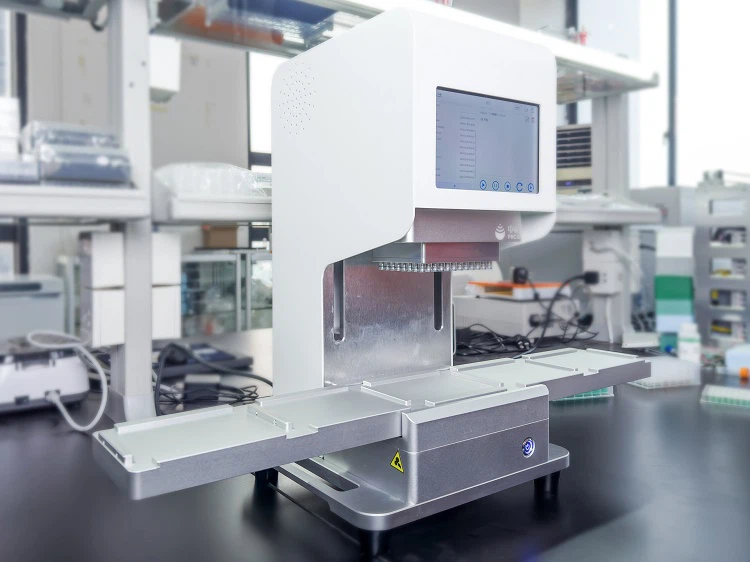
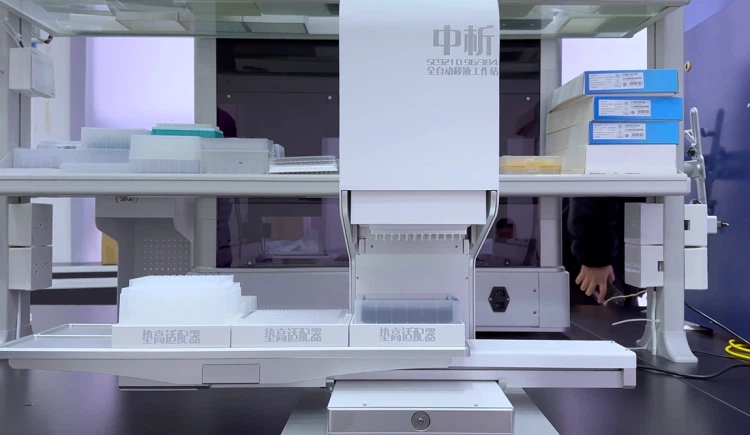
PRCXI Bioinformatics Co., Ltd. is a supplier of pipetting workstations located in Suzhou, China. Our company was established in 2014, with a 17,000-square-meter modern R&D center and a high-quality team, launched the first domestic automated pre-processing platform system with independent standards. Currently, our main products are pipetting workstations, including SC9000 manual pipetting workstation, SC9100 semi-automatic pipetting workstation and SC9320 fully automatic pipetting workstation, as well as matching magnetic stands, adapters and functional modules.
Rich Product Range
Our product lines are very rich, including high-precision micro-liquid processing platforms, fully automatic cup dispensing systems and fully automatic nucleic acid extraction systems, as well as various supporting consumables and application technologies.
Well Equipped
Our factory consists of mold processing, testing, CNC processing, sheet metal processing, assembly workshops, etc., and is equipped with advanced production equipment such as Taican precision machines, Huaqun machine tools, STAR SB20R G type, etc.
Multiple Partners
We have established friendly cooperation with a number of well-known partners in the industry, including WuXi AppTec, DIAN Diagnostics, Mgi Tech, and research institutions represented by Tsinghua University.
Quality Assurance
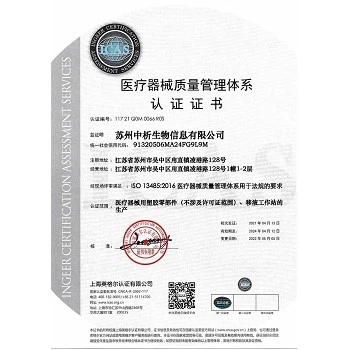
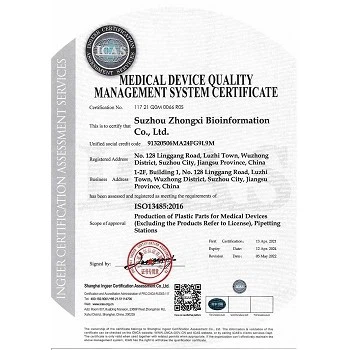
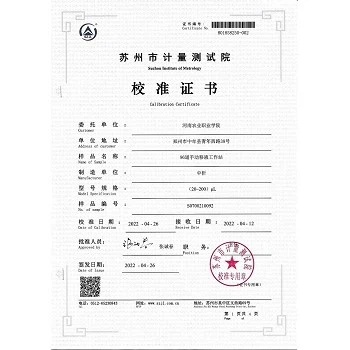
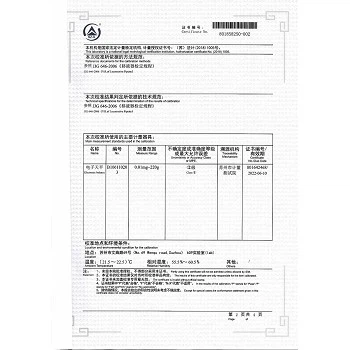
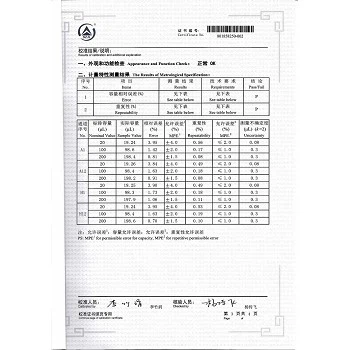
All our products undergo functional inspection and quality testing after production, and comply with ISO, CE and other standard certifications, and have multiple instrument quality testing certificates.
| Pictures |
Name |
Model |
Application |
 |
Cushion adapter (short) |
PA-SH |
Matching universal pipette tip up |
 |
Cushion adapter (high) |
PA-HH |
Compatible with universal max. |
 |
384 mannual |
PA-ML-384 |
Applicable to SC9000/ SC9100/ SC9200 for manual 384 transfer plate |
 |
384 adaptor(Aluminum) |
AA-AC-384 |
Suitable for SC9210/ SC9220/ SC9300/ SC9320 for automatic 384 transfer plate |
 |
8 wells holder adaptor(PCR) |
PA-PCR-96 |
Suitable for placing non-skirted PCR plates, semi-skirted PCR plates and 8-lane tubes for pipetting |
 |
8 wells holder adaptor |
AA-PCR-96 |
Suitable for placing non-skirted PCR plates, semi-skirted PCR plates and 8-lane tubes for pipetting |
 |
Centrifugal tube adapter |
PA-CT-N |
Suitable for placing centrifuge tubes for pipetting |
 |
Centrifugal tube adapter |
AA-CT-N |
Suitable for placing centrifuge tubes for pipetting |
What is Centrifugal Tube Adapter?
A centrifuge tube adapter is an insert for centrifuge buckets that supports tubes, bags, bottles, microplates, and more during centrifugation. Centrifuge adapters are available in different capacities and for all rotor types, including swinging bucket, round bucket, and fixed angle. They are important to prevent laboratory instruments from being clogged and to keep analytes separate from any potential substances that could interfere with test samples. Most centrifuge manufacturers differentiate between one-piece and modular adapters. A modular adapter consists of several layers that are stacked, so the user can adjust it to different vessel lengths by simply removing layers of the adapter.
Features of Centrifugal Tube Adapter

Wide Compatibility
Our standard centrifuge tube adapter insert features a 24-tube socket to easily expand the capacity of your centrifuge rotor and adapt to specific centrifuge models and rotor types.

Rich Sizes
These adapters are available in different sizes to accommodate various tube volumes such as microcentrifuge tubes (0.2 ml, 0.5 ml, 1.5 ml, 2 ml), conical tubes, PCR tubes or larger centrifuge tubes.

Stackable Design
These centrifuge tube adapters feature a rectangular design that ensures sample tubes are properly aligned and balanced within the rotor. They also stack efficiently for storage when not in use for better utilization of storage space.

Quick Identification
These centrifuge tube adapters come with built-in labeling options based on your needs, such as alphanumeric grids or color-coded inserts. These markers aid in sample tracking, identification, and organization, especially when working with multiple samples or experimental setups.
Application of Centrifugal Tubes
Centrifuge tubes are used to separate a substance into its components. Below are a few examples of fields that use centrifuge tubes.
Instrument Longevity
Certain laboratory instruments are sensitive to contaminants. Mass spectrometers and high-pressure chromatography units may become clogged by extraneous materials that find their way into these machines. These instruments work by injecting small samples of material through columns. Next, the analytes are separated from the samples, which are then studied via specialized software. Centrifuge tubes are important to prevent laboratory instruments from being clogged. The idea is to use these tubes to keep analytes separate from any potential substances that could interfere with test samples.
Medical Samples
Bloodwork is probably what comes to mind when discussing centrifuge tubes. Centrifugation separates organelles from blood cells as the latter sinks. Centrifugation also enables DNA and RNA extraction from cells.
Sample Processing
Sometimes, a contaminant can find its way inside a sample that needs analyzing. The goal of sample processing is to remove that contaminant so the sample can be properly studied. This is where centrifugation is key. The centrifugal process separates the sample from the contaminant which leaves a viable specimen to study. To further separate the two substances, the analyst may remove the liquid sample from the tube with a pipet.
Benefits of Centrifugal Tube Adapter
Compatibility
Centrifugal tube adapters are designed to fit specific centrifuge models and rotor types, ensuring compatibility and proper alignment of sample tubes during centrifugation. They provide flexibility to accommodate various sample volumes, tube materials (e.g., plastic or glass), and tube formats (e.g., microcentrifuge tubes, conical tubes, PCR tubes).
Sample Protection
Centrifugal tube adapters provide protective environment for sample tubes during centrifugation. They prevent tube breakage, leakage, or sample loss, also help to maintain sample tube orientation and prevent cross-contamination between samples.
Enhanced Centrifugation Efficiency
Tube adapters optimize the centrifugation process by ensuring proper balance and distribution of sample tubes within the rotor. This balanced reduces noise, resulting in improved separation and pelleting of samples. Also, some tube adapters feature labeling options, such as alphanumeric grids or color-coded inserts, which aid in sample tracking and identification. These markings allow for sample identification before, during, and after centrifugation.
Types of Centrifugal Tube Adapter

Round Buckets Centrifuge Adapters
These adapters are designed for use in centrifuges with round buckets. They allow for the secure placement of sample tubes within the round buckets, ensuring stability and proper alignment during centrifugation. Round bucket adapters are commonly used in clinical and research laboratories for a variety of applications, including sample processing, cell separation, and DNA/RNA isolation.

Swinging Buckets Centrifuge Adapters
Swinging bucket adapters are used in centrifuges equipped with swinging bucket rotors. These adapters accommodate sample tubes placed at an angle within the swinging buckets, allowing for efficient separation of samples during centrifugation. Swinging bucket adapters are suitable for applications requiring gentle separation or gradient centrifugation, such as cell culture, protein purification, and density gradient separation.
Fixed Angle Centrifuge Adapters
Fixed angle adapters are designed for centrifuges with fixed angle rotors. They hold sample tubes at a fixed angle relative to the centrifuge axis during centrifugation, ensuring efficient pelleting of samples at the bottom of the tubes. Fixed angle adapters are commonly used for applications requiring high centrifugal forces, such as DNA precipitation, protein crystallization, and virus isolation.
Common Materials of Centrifugal Tube
There are many different materials available for the centrifuge tube, from different plastic materials, to glass and stainless steel.
CN tube
The texture is soft and transparent, but it is not resistant to strong acid and alkali and some organic solvents, and cannot be autoclaved. It is suitable for sucrose, glycerol and other density gradient centrifugation. It is transparent and easy to collect.
PA (polyallomer, a polymer of polypropylene and polyethylene)
Translucent, the most chemically stable, but easy to soften at high temperatures.
PE (polyethylene, polyethylene)
Opaque, stable to acetone, acetic acid, hydrochloric acid, etc. When the temperature becomes high, it will become soft and must be filled.
CAB (cellulose acetobutyrate, butyl acetate)
LH is used at 0-15℃, HT is used at 20-40℃, transparent. Can be used for relatively dilute acids, bases and salts. But when pH=8 and above, organic solvents, heavy salts such as CsCl are only available under limited conditions. Suitable for alcohol and sucrose gradients.
PC (polycarbonate, polycarbonate)
Good transparency, high hardness, high temperature disinfection. But it is not resistant to strong acid and alkali and some organic solvents such as alcohol, oil, MDSO. Not full. Mainly used for centrifugation above 50,000 rpm.
PS (polystyrol, polystyrene)
Transparent and hard, stable to most aqueous solutions, but not stained with many organic substances, one-time use. Mostly used for low speed centrifugation.
PCR (polyclear, super clear)
Similar to PC, but harder than PC.
PF (polyflor, polyfluorine)
Translucent, used at -100℃-140℃.
Stainless Steel: Resists heat, chemicals, and autoclave, but is heavier and more expensive.
PP (polypropyiene)
Translucent, chemically and thermally stable, but brittle at low temperatures. Do not centrifuge below 4°C.CN tube
Factors to Consider When Choose Centrifugal Tube Adapter
Let’s say you want to use a swing-out rotor and 50 mL conical tubes. The bucket cannot hold the tubes without an adapter (in contrast to fixed-angle rotors with boreholes, such as those dedicated to 50 mL conical tubes). Usually, centrifuge manufacturers offer a huge number of adapters for all kinds of vessels, so it can become a challenge to find the correct one for your tube!
First, it is important to use original adapters from the manufacturer of the rotor and centrifuge. Manufacturers test their adapters for centrifugation stability and safety at the end of the adapter development process, so the customer can always be sure that this adapter/rotor/centrifuge combination is safe. Trying to fit adapters from other manufacturers or even “do-it-yourself” adapters in a rotor can lead to all kinds of problems – from imbalance, a non-correct swing-out of the bucket, or even a rotor crash.
When looking for the correct adapter for your tube, there are a few things to keep in mind:
● The adapter should always cover at least 2/3 of the tube length to provide optimal support during the centrifugation run.
● On the other hand, the adapter should not be longer than the tube length, because in that case the tube will only “hang in there” instead of touching the bottom of the adapter. This can lead to the breakage of the tube lid or the tube itself, or the tube may “disappear” inside the adapter and be difficult to remove without mixing its contents.
● The adapter should support the vessel bottom. Therefore, you can find adapters for conical tubes, skirted conical tubes, round-bottom or flat-bottom tubes, etc.
● Once you have the correct information about the tube diameter, length and bottom shape, it is easy to find the right adapter. If there is no perfect match, look for the closest diameter possible, since the tube walls should be supported by the adapter like a hand in a glove (if the glove is too big, it won’t keep your hands warm or fit securely).
● Do not squeeze or push vessels into non-fitting adapters. The forces exerted on the tube during the run can lead to tube deformation, with the possibilities that the tubes cannot be removed from the adapter after the run (if the adapter was too narrow) or break (if the bottom shape was not correct, e.g. a round-bottom tube in a conically shaped adapter).
● Since an adapter can change the rmax, make sure the adapter will not prevent your reaching the required g-force.
● If you are in doubt, contact your centrifuge manufacturer or consult the operating manual.
Certificate Photo
Factory Photo



Frequently Asked Questions of Centrifugal Tube Adapter
As one of the leading adapter manufacturers in China, we warmly welcome you to buy adapter for sale here from our factory. All customized products are with high quality and competitive price. Contact us for pricelist and free sample.
Automated Workstation, 8 Channel and 12 Plates Workstation, Single Pin Picking Workstations