

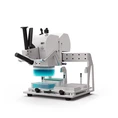


Manual Or Semi Automatic Pipetting Workstation
PRCXI: Your Professional Manual Or Semi Automatic Pipetting Workstation Supplier!
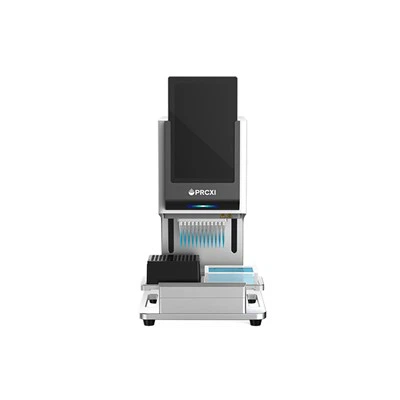
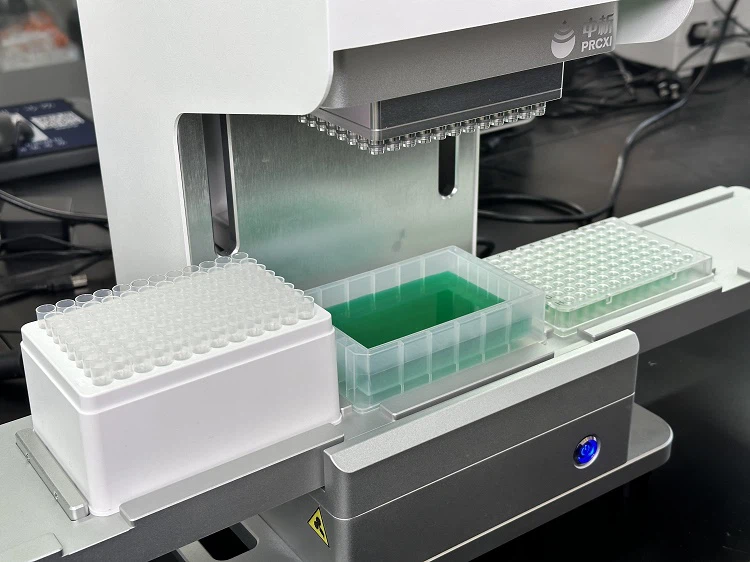
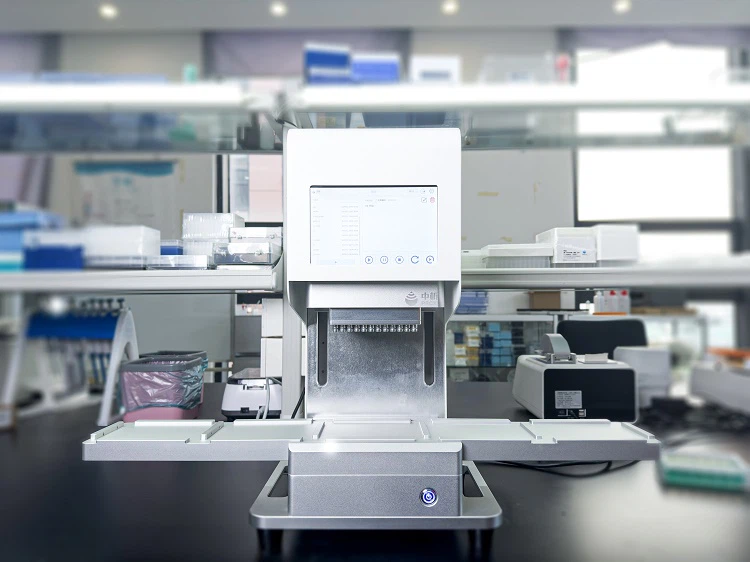
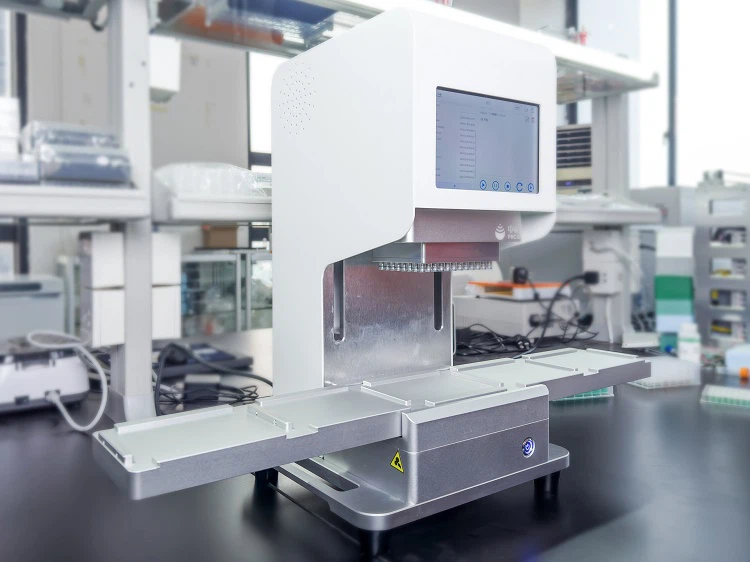
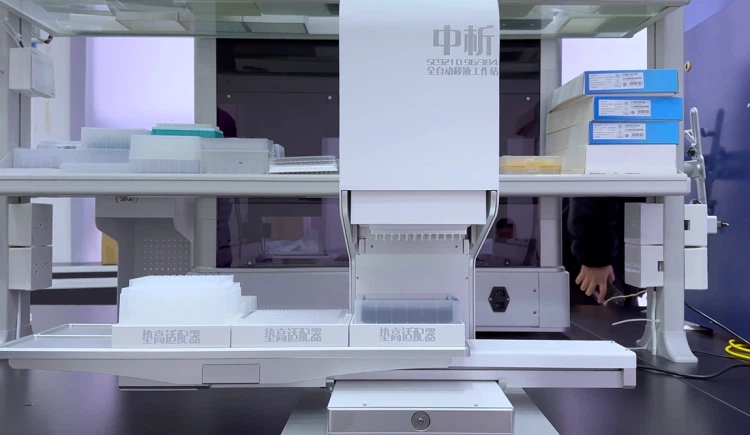
PRCXI Bioinformatics Co., Ltd. is a supplier of pipetting workstations located in Suzhou, China. Our company was established in 2014, with a 17,000-square-meter modern R&D center and a high-quality team, launched the first domestic automated pre-processing platform system with independent standards. Currently, our main products are pipetting workstations, including SC9000 manual pipetting workstation, SC9100 semi-automatic pipetting workstation and SC9320 fully automatic pipetting workstation, as well as matching magnetic stands, adapters and functional modules.
Rich Product Range
Our product lines are very rich, including high-precision micro-liquid processing platforms, fully automatic cup dispensing systems and fully automatic nucleic acid extraction systems, as well as various supporting consumables and application technologies.
Well Equipped
Our factory consists of mold processing, testing, CNC processing, sheet metal processing, assembly workshops, etc., and is equipped with advanced production equipment such as Taican precision machines, Huaqun machine tools, STAR SB20R G type, etc.
Multiple Partners
We have established friendly cooperation with a number of well-known partners in the industry, including WuXi AppTec, DIAN Diagnostics, Mgi Tech, and research institutions represented by Tsinghua University.
Quality Assurance
All our products undergo functional inspection and quality testing after production, and comply with ISO, CE and other standard certifications, and have multiple instrument quality testing certificates.



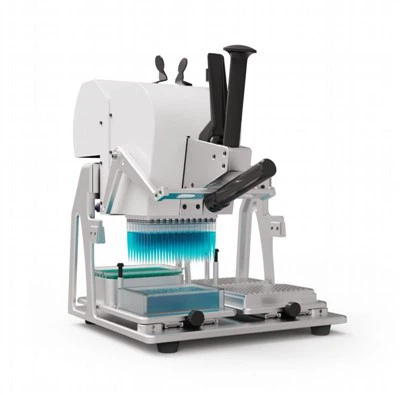


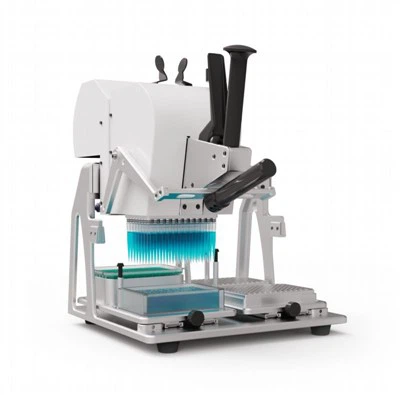
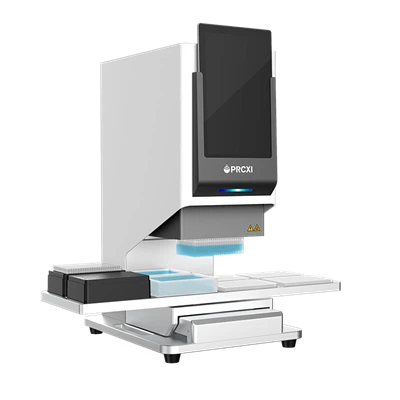
What is Manual Pipetting Workstation?
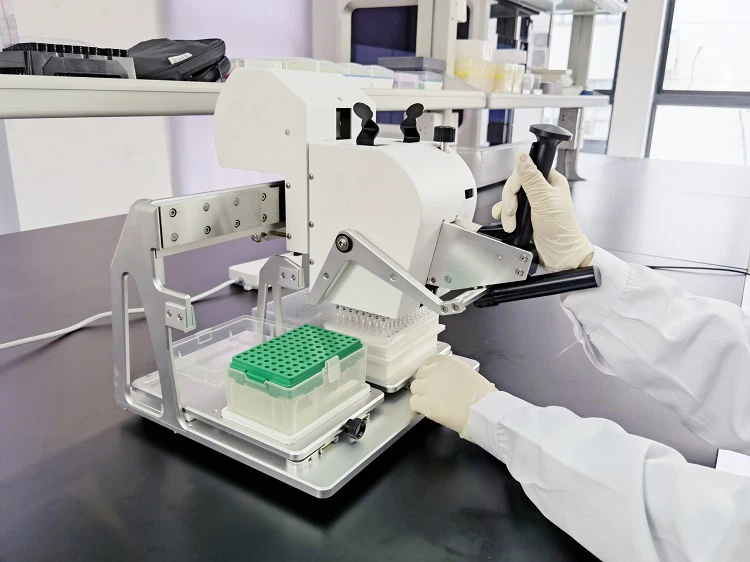
A manual pipetting workstation is a tool used to pipette liquids by hand. It's often used in labs with low throughput and for simple, repeatable work. Manual pipetting is fast and easy to use, and most lab technicians can calibrate and maintain it themselves. Most lab technicians are able to maintain and calibrate their own pipettes without the need for outside help. A simple analytical balance and some water can be used to assess the calibration of the pipette. However, it can be time-consuming and may lead to repetitive strain injuries.
Features of Manual Pipetting Workstation

Capacity Optional
Our manual pipetting workstations offer a micropipetting volume range from 100-1000μl, with dispensing volume selected by the easy turn of a piston button, and are calibrated for precision and accuracy according to ISO standards.

High Accuracy
They utilize a digital display for more accurate parameter setting and voice broadcast for easier data identification, making them ideal for laboratory, industrial, food experiments, as well as measuring plant liquid nutrients and general chemical sampling.

Easy to Use
Our compact manual pipetting stations feature a lightweight handle design that combines low plunger, tip attachment, and ejection force to reduce hand fatigue and help reduce the risk of repetitive stress injuries (RSI).

Durable Materials
These pipetting stations are flexible, with pipette tip cones that are removable and autoclavable at 121°C (252°F, 1 atm, 20 minutes) and ensure resistance to high temperatures, corrosion, and weathering.
Application of Manual Pipetting Workstation
Sample Preparation
Pipetting workstations are commonly used in sample preparation workflows. They enable precise dispensing of reagents, buffers, and samples, in applications such as DNA/RNA extraction, protein purification, and cell culture. They also allow researchers to perform serial dilutions, transfer small volumes of samples and reagents, and create standard curves, for determining assay sensitivity, specificity, and dynamic range.
PCR and QPCR Setup
Polymerase chain reaction (PCR) and quantitative PCR (qPCR) require precise dispensing of DNA templates, primers, nucleotides, and enzymes. Pipetting workstations streamline the process, ensuring consistent volumes and minimizing the risk of cross-contamination between samples.
ELISA and Immunoassays
Enzyme-linked immunosorbent assays (ELISA) and other immunoassays involve multiple pipetting steps, including sample and reagent addition, washing steps, and substrate addition. Manual pipetting workstations can be used in high-throughput screening workflows, where samples need to be processed accurately. They dispensing compounds and reagents in microplates, facilitating drug discovery and compound screening efforts.
Next-generation Sequencing (NGS) Library Preparation
NGS library preparation involves multiple pipetting steps, including DNA fragmentation, adapter ligation, and PCR amplification. Pipetting workstations are useful in cell-based assays, such as cell culture, cell viability assays, and cell-based functional assays. They enable accurate dispensing of cell suspensions, media, and reagents, ensuring consistent cell seeding and treatment conditions.
Pros and Cons of Manual Pipetting Workstation
Pros of Manual Pipetting Workstation
● Ease of Use
Laboratory technicians, students, and even lab managers and supervisors rely on pipettes to perform their daily tasks. Using manual pipettes affords a range of benefits, including low up-front costs for equipment purchase and little time required to train new users. A lab can easily purchase multiple pipettes suited to a variety of volumes, and most will also purchase separate sets for specific experiments to avoid cross-contamination, such as radioactive experiments, or for RNase-free work. Lab personnel, including undergrad students, can be quickly trained on the use of the various pipettes used in the lab and allowed to work autonomously, thereafter allowing them to carry out multiple sample runs and switch between applications with minimal setup required.
● Convenient Calibrate and Maintain
Beyond their ease of use, manual pipettes are also easier to calibrate and maintain. Most lab technicians are able to maintain and calibrate their own pipettes without the need for outside help. A simple analytical balance and some water can be used to assess the calibration of the pipette. While if the pipette is determined to be “off”, a simple cleaning and changing of the O-ring and seal will often resolve the issue.
Cons of Manual Pipetting Workstation
● Human Error
Some drawbacks to using manual pipettes have become more pronounced over time. One issue associated with manual pipetting is human error. A pipette requires precise movements to operate consistently, and if the technician uses an inconsistent technique, there’s a risk of concentration variations. This inconsistency can also be a concern when pipetting technique is compared across various users. This can compromise data quality and require that experiments be repeated, which can be costly.
● Repetitive Nature
Another issue that can arise from manual pipetting is its repetitive nature. Using a manual pipette requires that a specific motion be repeated sometimes hundreds or thousands of times a day, which can and has led to repetitive strain injury (RSI) in a number of lab techs. As pipetting is considered one of the most repetitive tasks in the lab, it’s not a surprise that scientists have long sought to automate the process in a variety of ways.
Common Types of Pipetting


This guide aims to illustrate the various uses of some of the most common types of pipettes found in laboratories today. In a laboratory context, pipettes are used to transfer fluids from one container to another swiftly and accurately. While there are many different types of pipette are available, it’s important to remember that certain pipettes offer more accuracy than others. The volumetric pipette remains the world’s most accurate.
Volumetric Pipettes
In general, volumetric pipettes are used by those investigating chemical properties and analysing reactions. They can be found in most schools, universities and professional laboratories. Famed for their accuracy, they can measure up to four significant figures. They are available in a range of sizes, enabling researchers to measure the volume of a concentrated stock solution.
Graduated Pipettes
Graduated pipettes are less accurate than volumetric pipettes. Mohr graduated pipettes, which are sometimes called “drain out pipettes”, are marked with a zero at the start of their conical end, while Serological graduated pipettes, also known as “blow out pipettes”, do not display zero marks.
Vacuum-Assisted Pipettes
Vacuum-assisted pipettes may be graduated or volumetric. Graduated vacuum-assisted pipettes employ a number of graduation marks, while volumetric vacuum-assisted pipettes measure a single volume, so exhibit just one graduation mark. Vacuum-assisted pipettes are made from polystyrene, glass or borosilicate. They require a suction device but do not contain pistons.
Micropipettes
Micropipettes enable scientists and technicians to obtain very accurate measurements. Micropipettes should be calibrated regularly – at least once every 3-6 months.
Pasteur Pipettes
Pasteur pipettes are made from glass. With its bulb-shaped top, a Pasteur pipette resembles an archetypal liquid dropper. Pasteur pipettes are considered fairly inaccurate today. They are neither calibrated nor graduated, and are more often used in biology – rather than chemistry – laboratories as a way of transferring aqueous solutions from one container to another. Named after French physician Louis Pasteur, Pasteur pipettes are often disposed of after use.
Factors to Consider When Choose Manual Pipetting Workstation
Searching for the right pipette can be confusing. To help you with this decision, we have outlined a few things to bear in mind when selecting a new pipette.
Manual vs. Electronic Pipettes
The first thing you should decide is whether you need a manual or an electronic pipette. Manual pipettes are widely used and are great tools, but if you have the budget, then an electronic pipette will pay for itself in the long term.
Reliability
The volume you transfer can significantly influence the reliability of pipetting. As explained above, you should always choose the smallest pipette capable of handling the required volume as the accuracy of adjustable volume air displacement pipettes decreases with the set volume.
Reliability can also be negatively affected if the volume is accidentally changed during the pipetting procedure. You should therefore choose a pipette with a mechanism designed to avoid inadvertent volume changes. Another common problem is tips that loosen, leak, or fall off, so selecting a pipette with tips specifically designed for it is better than one that uses universal tips.
Efficiency
Filling microplates with a single channel pipette can quickly become a very tedious and error-prone task. Using multichannel pipettes allows you to transfer multiple samples at once, increasing efficiency and preventing errors and repetitive strain injuries. Multichannel pipettes can even be used for transfers of samples between different labware formats, if you buy one with adjustable tip spacing.
The number of channels you require, and if you need adjustable tip spacing, depends on the labware types you're planning to use.
Ergonomics
When choosing your pipette, you should make sure that it's lightweight, well-balanced and fits comfortably into the hand, for both left- and right-handed users. Additionally, tip loading and ejection forces should be as low as possible to reduce the strain on operators.
Pipetting viscous and volatile liquids with an adjustable volume air displacement pipette can be challenging but mastered with the right technique and pipette tip. Viscous liquids should be aspirated and dispensed slowly using reverse pipetting. Using this technique, a larger volume than needed is aspirated, which compensates for the retained liquid adhering to the inside of the tip. Low retention tips are the ideal option for viscous liquids, and for very high viscosity liquids, or those that tend to foam, wide bore tips are recommended.
When pipetting volatile liquids, be sure to pre-wet the tip and use fast pipetting speeds for both aspiration and dispensing to minimize the effects of evaporation. Do not pause unnecessarily between aspiration and dispensing and use reverse pipetting to further reduce the effect of evaporation on the actual volume to be delivered.
Pipettes are usually calibrated with distilled water, at room temperature. It may be useful to recalibrate them when pipetting liquids with different physical properties (specific gravity and vapor pressure).
Maintenance of Manual Pipetting Workstation
Besides correct use, the proper storage and cleaning of your pipettes – as well as regular calibration and maintenance – are crucial to ensure that they will yield reproducible results for many years.
Storage
Never lay a pipette down on the bench. Instead, store it vertically on a stand. This will ensure that any liquid residue trapped inside the pipette body drains out, and it prevents piston misalignment or lubricant accumulation on one side of the pipette. As pipette tips may retain liquid residues, you should always eject them when you finish pipetting. If not, this residual liquid can evaporate into the pipette body. Last but not least, you should always set your pipette to its maximum volume (if you're using a manual pipette), to allow the spring to return to its least stressed position.
Cleaning
Always consult the operating manual of your pipette before cleaning it. It often contains detailed information about the chemical compatibility of your pipette with common cleaning agents, and tells you how to disassemble and reassemble it. Cleaning the outside of the pipette should be part of your daily routine. Simply wipe it with a lint-free cloth lightly soaked with 70 % ethanol.
Cleaning the interior of your pipette is a more complex and time-consuming process but can usually be done by the operator for single channel pipettes. First, you have to take the pipette apart. Depending on whether you're cleaning it as a matter of routine, or because it has been contaminated, you'll need to clean the components not just with distilled water, but also with a suitable decontaminant. Afterwards, you should check the components for visible damage, let them air dry, and lubricate the piston, before reassembling the pipette. Finally, briefly check the pipette’s functionality by performing a leak test and volume validation.
Calibration and Service
The last aspect that can increase the lifespan of your pipette is regular calibration and service. You should have it calibrated and serviced every 6 to 12 months to ensure that it remains accurate and precise, and that potential problems are detected and addressed before costly repairs or replacement becomes inevitable. Performing routine checks on a regular basis is also recommended, so that you can be confident in your results between calibrations.
Certificate Photo
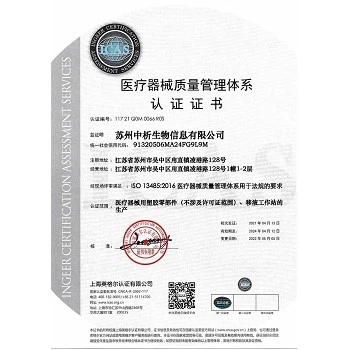
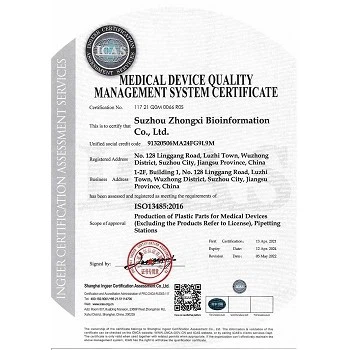
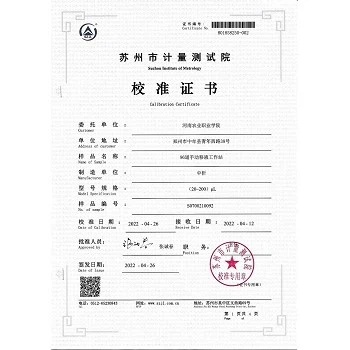
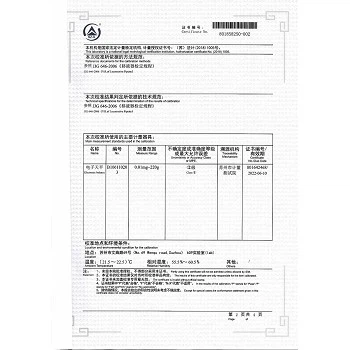
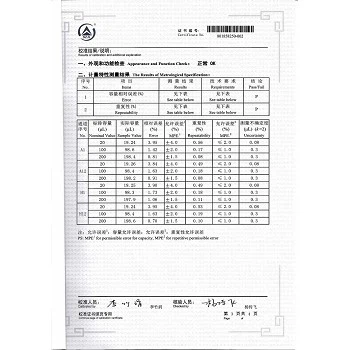
Factory Photo

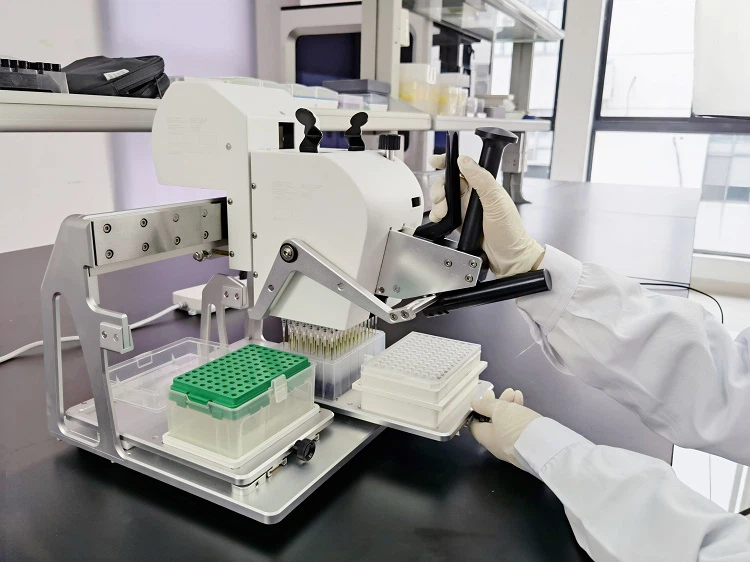


Frequently Asked Questions of Manual Pipetting Workstation
As one of the leading manual or semi automatic pipetting workstation manufacturers in China, we warmly welcome you to buy manual or semi automatic pipetting workstation for sale here from our factory. All customized products are with high quality and competitive price. Contact us for pricelist and free sample.
Compact Automatic Pipetting Workstation, PRCXI Pipetting Workstation, Serial Dilution Workstation