

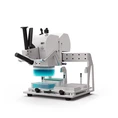


Compact Automatic Pipetting Workstation
PRCXI: Your Professional Compact Automatic Pipetting Workstation Supplier!
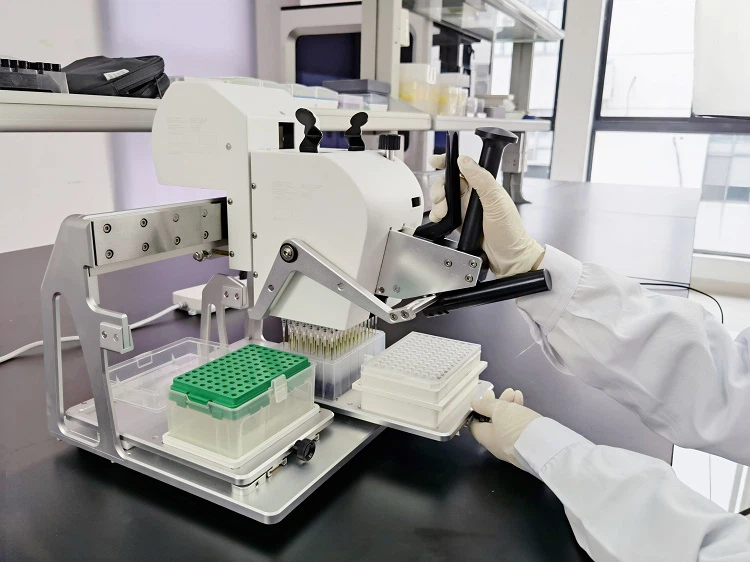
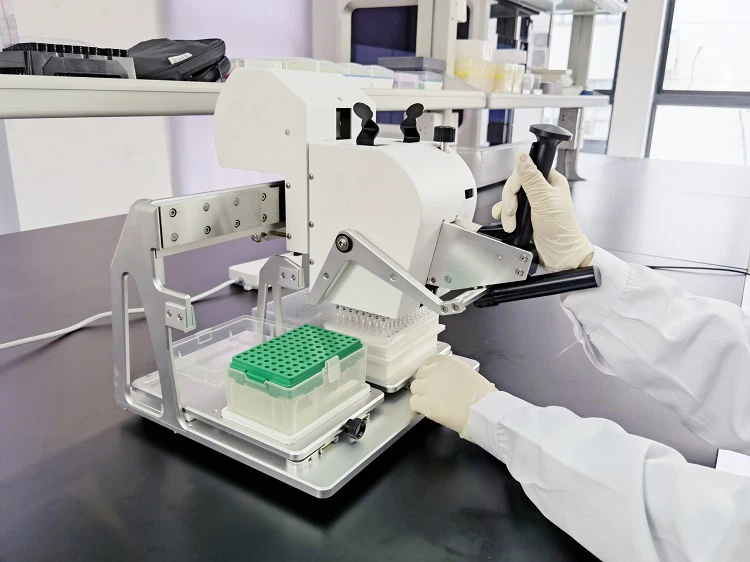
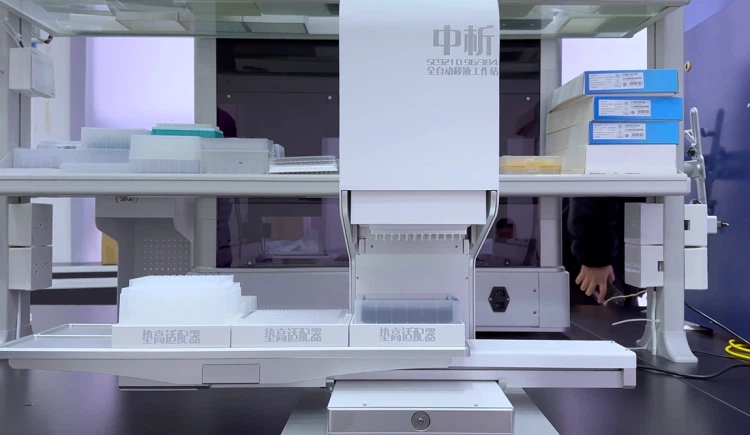
PRCXI Bioinformatics Co., Ltd. is a supplier of pipetting workstations located in Suzhou, China. Our company was established in 2014, with a 17,000-square-meter modern R&D center and a high-quality team, launched the first domestic automated pre-processing platform system with independent standards. Currently, our main products are pipetting workstations, including SC9000 manual pipetting workstation, SC9100 semi-automatic pipetting workstation and SC9320 fully automatic pipetting workstation, as well as matching magnetic stands, adapters and functional modules.
Rich Product Range
Our product lines are very rich, including high-precision micro-liquid processing platforms, fully automatic cup dispensing systems and fully automatic nucleic acid extraction systems, as well as various supporting consumables and application technologies.
Well Equipped
Our factory consists of mold processing, testing, CNC processing, sheet metal processing, assembly workshops, etc., and is equipped with advanced production equipment such as Taican precision machines, Huaqun machine tools, STAR SB20R G type, etc.
Multiple Partners
We have established friendly cooperation with a number of well-known partners in the industry, including WuXi AppTec, DIAN Diagnostics, Mgi Tech, and research institutions represented by Tsinghua University.
Quality Assurance
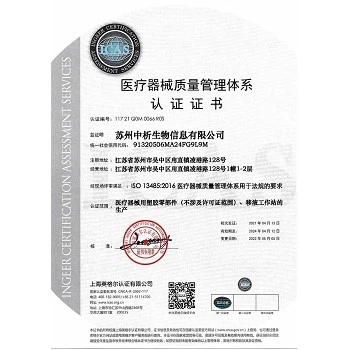
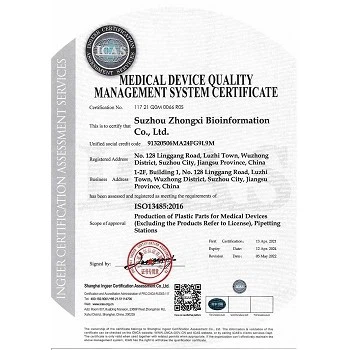
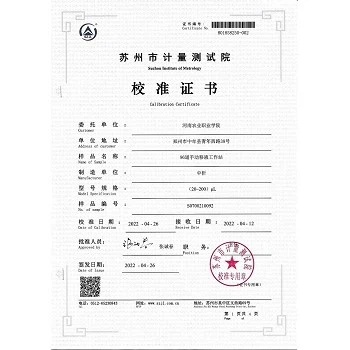
All our products undergo functional inspection and quality testing after production, and comply with ISO, CE and other standard certifications, and have multiple instrument quality testing certificates.


What is Compact Automatic Pipetting Workstation?
A compact automated pipetting workstation is a robotic liquid handler that can perform qPCR. Automated pipetting systems, also known as liquid handling robots, can help speed up the process of transporting small and precise volumes of liquids. They can also increase throughput, accuracy, and workflow efficiency. Automated pipetting systems can automate whole steps or the entire process of a sample preparation protocol. They can be used for copying, aliquoting, pooling, mixing, serial dilution of liquids, temperature incubation, separating using magnetic or vacuum.
Features Of Compact Automatic Pipetting Workstation
High Accuracy
Our automated pipetting stations offer high-throughput liquid handling capabilities, reducing pipetting-related processing time and errors by dispensing multiple channels simultaneously through intuitive applications for programming and operation.
Auto-Adjust
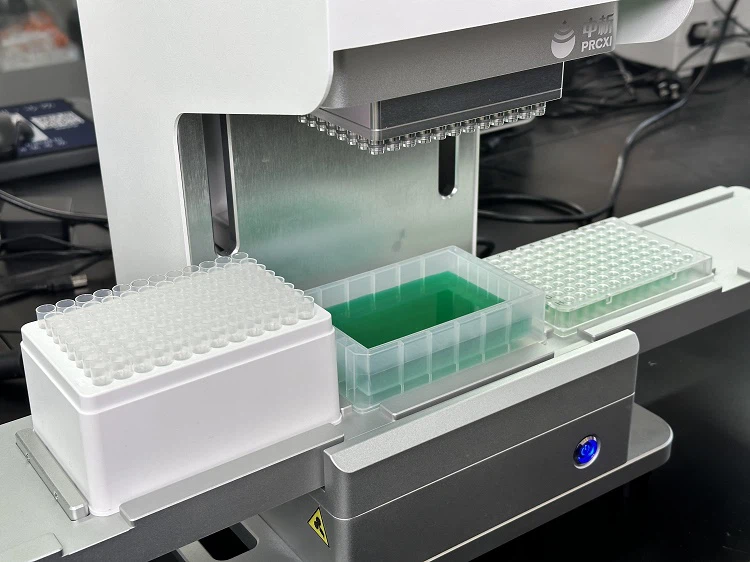
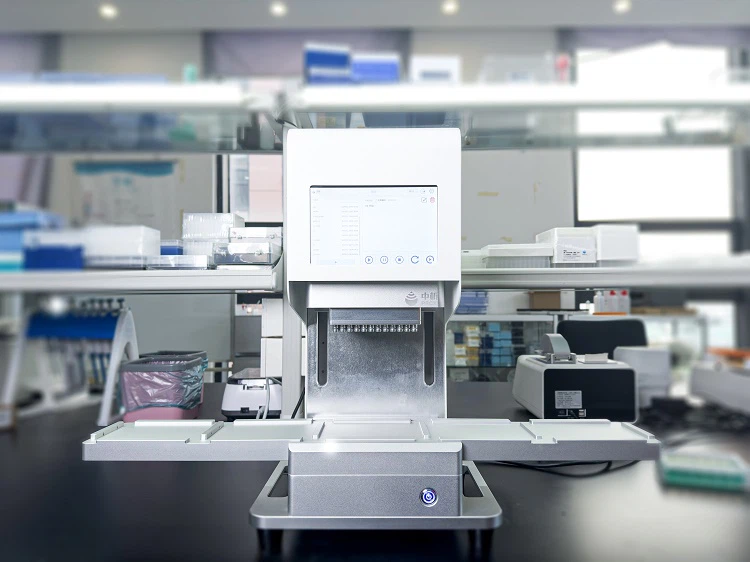
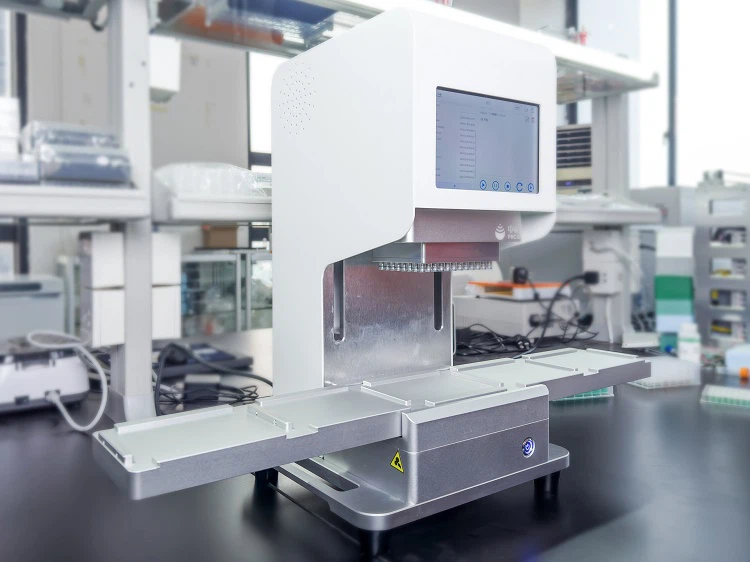
These compact automated pipetting stations feature motorized tip loading/ejection and a four-position automatic sliding platform to precisely align tips with the appropriate microplate/reservoir. Once programmed, the instrument can run the protocol to completion without any manual positioning or adjustments.
Rich Mode
These automatic pipetting stations provide a rich range of pipetting modes, including standard pipetting, multiple dispensing (repeat pipetting), secondary dispensing (plate filling), serial dilution, mixing, reverse pipetting, etc., to suit different liquids application.
Wide Compatibility
These pipetting stations are compatible with a variety of SLAS/ANSI format-compliant microplates and reservoirs and come with included plate adapters to allow the use of PCR plates.
Application of Compact Automatic Pipetting Workstation
Used everywhere from secondary school science labs to state-of-the-art research centres, pipettes are a staple in most laboratories. While their function is simple, they perform several important tasks. Below, we explore some of the key uses pipette lab equipment.
Extract, Transport and Dispense Liquid Samples
Whether manual or electronic, the main function of lab pipettes is to extract, transport and dispense liquid samples. Air displacement pipettes are the most commonly used model, with an air cushion used to create a vacuum and draw liquid into the chamber. Positive displacement pipettes are also popular and use piston-driven air displacement to aspirate and dispense liquid.
Reducing Repetitive Strain Injury
Repetitive strain injury (RSI) to the hands is one of the most common workplace injuries encountered by laboratory personnel. If left untreated, RSI can become painful and compromise workplace performance. Fast and efficient, automated and electronic pipettes help to minimise hand stress and prevent workplace injuries in laboratories. When performing repetitive tasks, multi-channel pipettes can also be an effective way to reduce the number of required steps and reduce hand fatigue.
Safeguarding Sample Integrity
Pipettes provide a clean and hygienic environment to aspirate, transport and dispense liquid samples. The purpose-built tools help to maintain quality assurance in the laboratory and ensure the most reliable and accurate results possible. Modern pipettes often feature disposable tips which helps to minimise the risk of cross contamination.
Protecting Laboratory Personnel
As well as safeguarding the integrity of samples, pipettes also keep laboratory personnel out of harm’s way. They eliminate contact with liquid samples and allow researchers to extract, transport and dispense liquids in a way that’s safe and efficient.
Benefits of Compact Automatic Pipetting Workstation
You benefit from an increased throughput topped with an improved accuracy and a minimized risk of error. The easy-to-use systems boost your productivity by freeing you from routine lab work.
Delegate Your Standard Tasks
No more routine tasks to do by yourself: repetitive sample transfer between various source and destination vessels as from tubes to plates, concentrated “cherry picking” of individual samples, tedious plate multiplication or exhausting pooling from different samples according to various patterns.
You can exactly reproduce your manual work steps! With only few clicks you can easily program your liquid handling steps in any desired order and number - even the most complex workflows! Simply combine the workflow elements as you would do with manual steps: reagent and sample transfer, tip mixing, heating, cooling, shaking, vacuuming, waiting steps, magnetic or vacuum separation. On top, you can simulate runs in silico to optimize your workflow, without losing consumables, reagents, samples, etc.
Higher Throughput in Less Time
Compared to manual pipetting, you can process up to 96 samples simultaneously with high speed. Also, batches with a multitude of samples (e.g. blood, tissues) can be handled. Workflows get significantly streamlined, so that you can run entire protocols in less time.
Error-Free
Common error sources are practically eliminated. Your benefits: improved consistency, better precision and accuracy, topped with less sample loss and reagent usage. Some background: inter-user or inter-run variability and errors associated with manual pipetting potentially compromise results and lead to poor data quality and costly re-runs. The issues range from inconsistent dilution techniques between samples, differences between the pipetting of multiple lab technicians, variation across the day to differences in concentration across assays. Not to forget, the smaller the volume, the larger and the more significant the error!
Reproducibility & Standardization
Less errors, less repetitions of failed experiments, increased throughput and efficiency increase the reproducibility and pave the way to standardization.
Automated Documentation
You get rid of tedious documentation! The automated documentation tracks comprehensively every detail for each run: sample, barcode, operator, time, type of procedure, position of sample in a plate from origin to destination, volumes, and many more.
Increased Productivity
The automated and streamlined workflow significantly reduces your hands-on time and allows for maximum walk-away time. This frees you up to spend more time to other sophisticated work such as focusing on the analysis and interpretation of results.
Contamination Prevention
A multilevel contamination prevention protects precious samples and valuable regents, ensured by many features like contact-free dispensing, autoclavable tools, sterile filter tips, HEPA-filter and UV-sterilization. In contrast to manual liquid handling, the system is completely closed for maximum safety.
User Protection
The contamination prevention features also protect the user from biohazardous substances. Enjoy peace of mind as your pipetting robot relieves you from the extreme manual handling stress. The strain of performing repetitive manual tasks relaxes your muscles and joints. As a highly qualified specialist, you can be glad that tiresome tasks belong to the past and you can devote yourself to the really ambitious things.
Ease of Use
An automated liquid handling system (if chosen the right one) is very easy to use. The simple software can be implemented quickly from everyone. User-friendly computer interfaces with pre-optimized commands and step-by-step guidance make programming and operation intuitive, quick and easy. The small instrument footprint frees up bench space.
Types of Compact Automatic Pipetting Workstation
More and more laboratories are adding more automation capabilities because of the many benefits of laboratory automation, including liquid handling processes. Human error is always a concern, even for the most highly trained technician. Also, results are faster with automatic liquid handling. Read on to learn about liquid handling technology and what type of liquid handling robots you should have in your lab.
Pipettes and Micropipettes
Manual pipettes and micropipettes are a staple in every laboratory. They can transfer small quantities of liquid, Below are common micropipette sizes, allowing you to test different liquid volumes. Automated Robotic Liquid Handlers can be used instead of manual pipettes and often cover similar or expanded volume ranges as those listed above.
Microplate Washers and Disperse
Another must-have automatic liquid handling machine in any lab running non-homogeneous assays are microplate washers and dispensers. These are top choices for several applications because of how many processes they employ. Multi-mode washer dispensers have the capability to perform reagent dispensing and plate washing.
Stackers
A stacker is a type of microplate storage that can process large batches of plates at one time. Stackers are a highly economical choice and greatly increase your walk-away time for automated liquid handlers of many types.
Robotic Plate Handlers
Automated microplate handlers allow you automatically feed samples and pipet tips to feed hungry automated liquid handlers that continuously process samples as long as they’re well supplied. An automatic liquid handler can pipet at nearly the speed of a human, but without taking breaks, so that work progresses at unprecedented rates. So, when it comes to automated liquid handling, automated plate handlers are also a must-have.
Washers
Washers are designed to wash well plates of multiple sizes. They can use centrifugal forces to remove the liquid from well plates, but this is all done without the use of pipettes or needles. Washers are optimal for bead-based nucleic acid purification and cell-based assays, among other applications.
Factors to Consider When Choose Compact Automatic Pipetting Workstation


Most, if not all, life science labs need to accurately transfer liquids, which usually involves some kind of pipette or liquid dispenser. This article explores the key issues to consider when selecting a liquid-handling approach.
Adding Automation
Today’s workflows are longer and more involved than ever before. They also involve lower volumes, where the quality of liquid transfer is an absolute key to success.
Throughput
Accuracy and precision
Volume range
Channel number
Labware compatibility
Some applications might require more advanced features. For example, a temperature-control device will be needed to operate temperature-sensitive samples or reagents, a disinfection module will be required to operate microbial experiments, etc. Before diving into automated liquid-handler features, Labs should first start with their goals: What do they want to achieve? This understanding is crucial to guide the selection process, and Miller says that it goes beyond the obvious requirements for high accuracy and precision. Understanding the goals both today and tomorrow helps to finetune a system with integrated tools, and also facilitates scalability and change as the lab evolves.
Select the Right Size
The size of a liquid handler—what it can really do—might be the key decision. It must be at least big enough, and maybe a bit more. You really want to make sure that you get a system that fits your application. Start looking not only into what you are doing now, but what you want to be doing two years down the road. Make sure that there’s enough real estate on the deck, as well as forward-looking features to meet the requirements of your application.
Nonetheless, every lab doesn’t need a gigantic liquid handler. In next-generation sequencing (NGS) workflows, for example, some liquid handlers can run multi-well plates through the process faster than a lab can analyze the data. This is why understanding the goals is so important.
Ease of Use
In a liquid handler, software controls what the device does, and someone needs to create or customize that software. Again, this goes back to the goals: To what extent do you want to program? Some liquid handlers are pre-scripted with protocols for specific assay chemistries, and users can tweak these protocols as desired. Users with advanced programming experience can create custom protocols. We recommend entrusting experts from the automated liquid handler’s manufacturer for programming guidance that gets users up and running quickly.
When a liquid handler provides the right blend of software and hardware for a lab’s needs, a user gets the most options. The flexibility allows you to adapt the platform to your future needs.
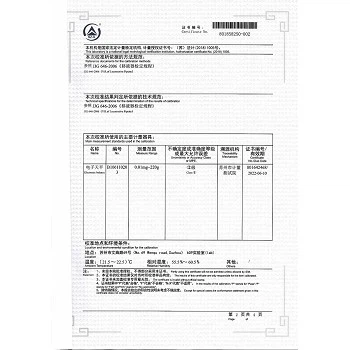
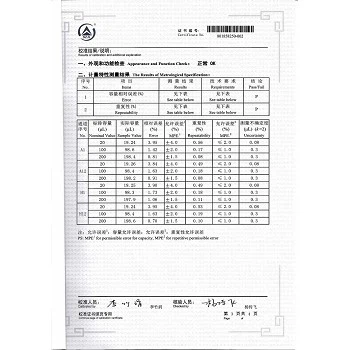
Certificate Photo
Factory Photo



Frequently Asked Questions of Compact Automatic Pipetting Workstation
As one of the leading compact automatic pipetting workstation manufacturers in China, we warmly welcome you to buy compact automatic pipetting workstation for sale here from our factory. All customized products are with high quality and competitive price. Contact us for pricelist and free sample.
Cellular Assays Workstation, Medium Exchange Workstations, Serial Dilution Workstation