

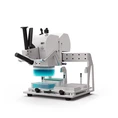


Function Modules
PRCXI: Your Professional Function Modules Supplier!
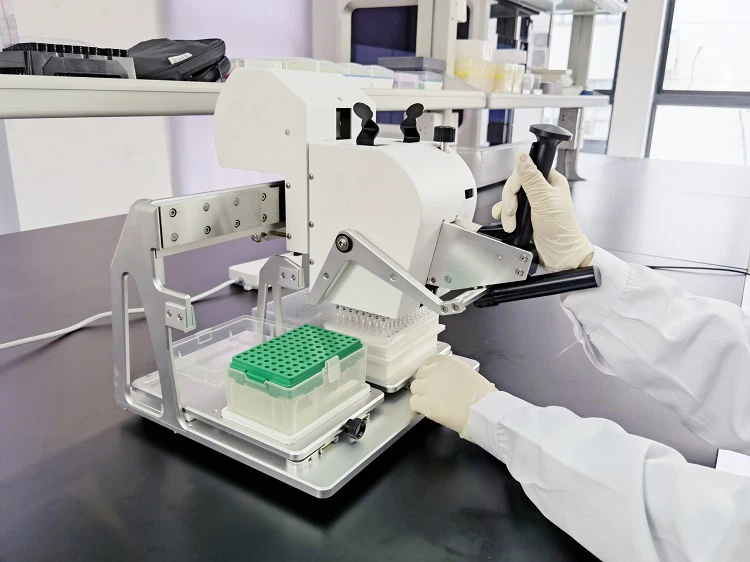
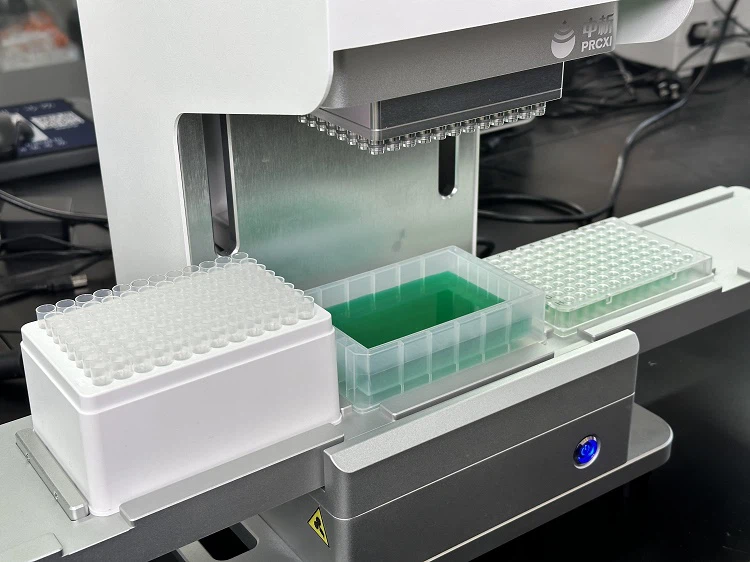
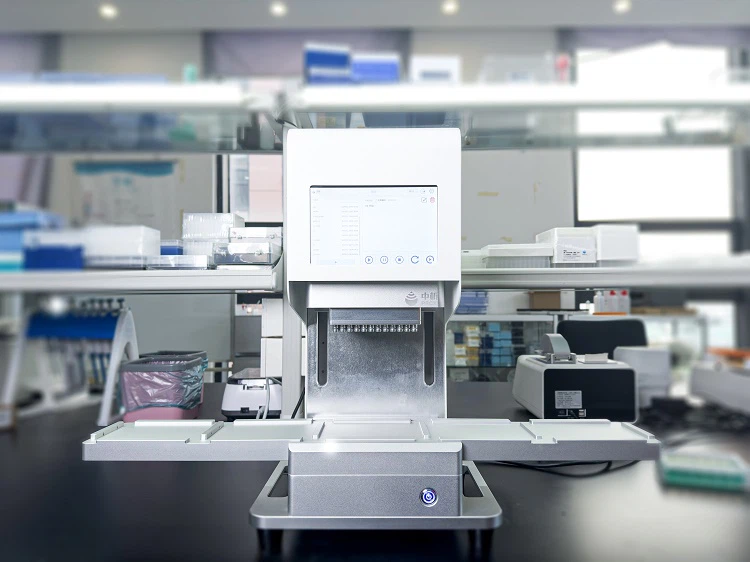
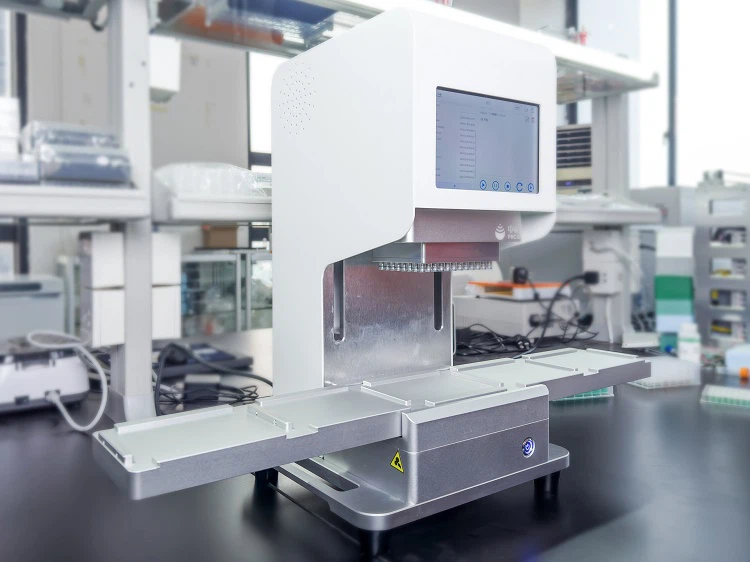
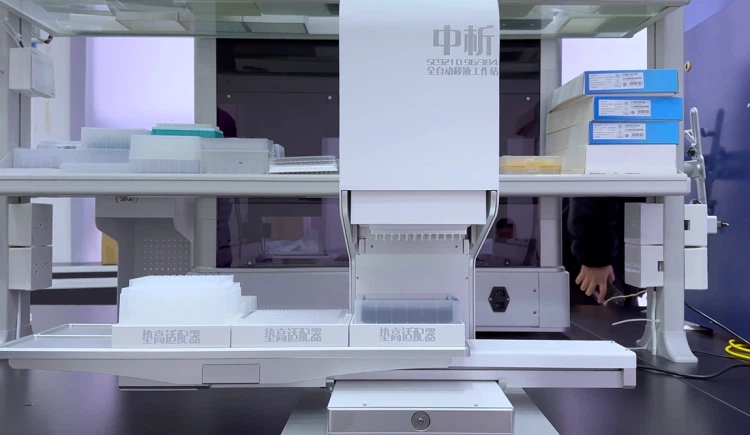
PRCXI Bioinformatics Co., Ltd. is a supplier of pipetting workstations located in Suzhou, China. Our company was established in 2014, with a 17,000-square-meter modern R&D center and a high-quality team, launched the first domestic automated pre-processing platform system with independent standards. Currently, our main products are pipetting workstations, including SC9000 manual pipetting workstation, SC9100 semi-automatic pipetting workstation and SC9320 fully automatic pipetting workstation, as well as matching magnetic stands, adapters and functional modules.
Rich Product Range
Our product lines are very rich, including high-precision micro-liquid processing platforms, fully automatic cup dispensing systems and fully automatic nucleic acid extraction systems, as well as various supporting consumables and application technologies.
Well Equipped
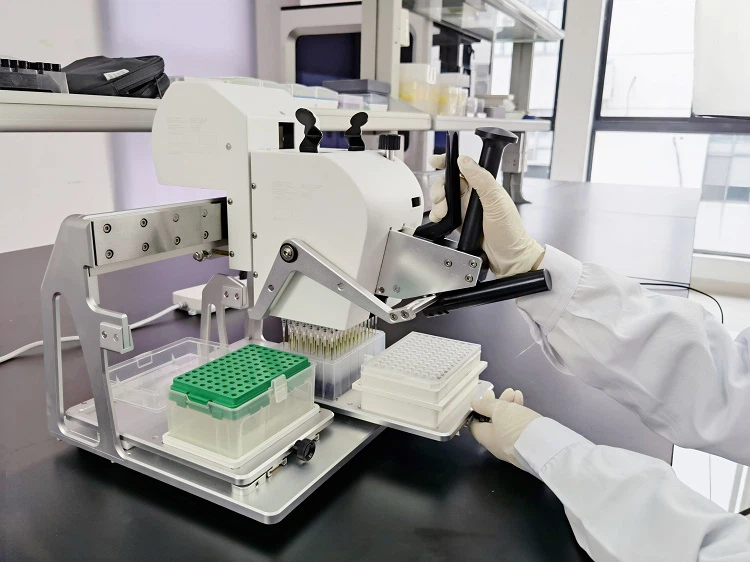
Our factory consists of mold processing, testing, CNC processing, sheet metal processing, assembly workshops, etc., and is equipped with advanced production equipment such as Taican precision machines, Huaqun machine tools, STAR SB20R G type, etc.
Multiple Partners
We have established friendly cooperation with a number of well-known partners in the industry, including WuXi AppTec, DIAN Diagnostics, Mgi Tech, and research institutions represented by Tsinghua University.
Quality Assurance
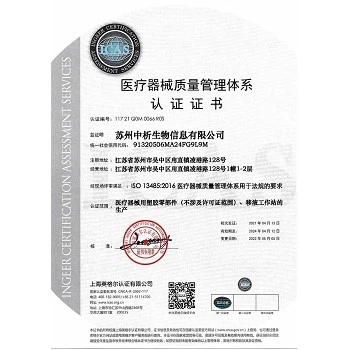
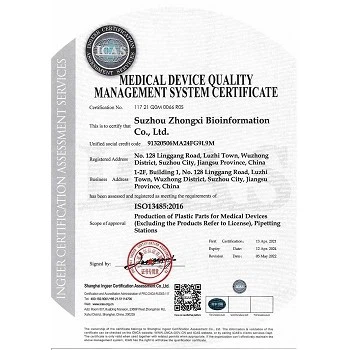
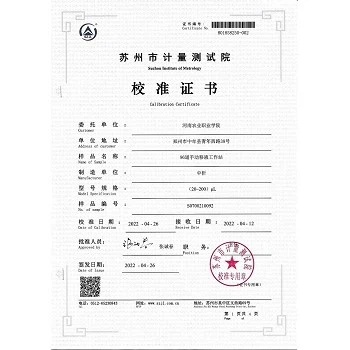
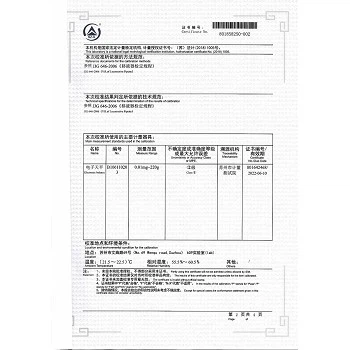
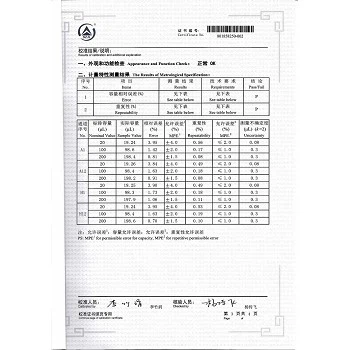
All our products undergo functional inspection and quality testing after production, and comply with ISO, CE and other standard certifications, and have multiple instrument quality testing certificates.
Vibrate Module
|
Model |
SC-M-TC-01 |
|
Size |
136×94×93mm |
|
Capacity |
Wide range of deep-well and 96-well plates |
|
Oscillation |
200-1500r/min |
|
Weight |
1.4kg |
|
Power input |
24V 5A |
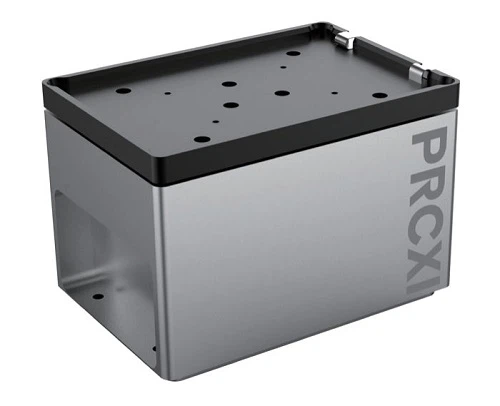
Metal Bath Module
|
Model |
SC-M-VO-01 |
|
Size |
136×119×91mm |
|
Capacity |
all edges 96-well, 0.2ml |
|
Temperature |
4℃-90℃ |
|
Weight |
1.5kg |
|
Power input |
24V 6.5A |

HEPA Module
|
Model |
SC-M-FFU-01 |
|
Size |
customized |
|
Air flow |
straight down;0.4m/s-0.7m/s |
|
Filtration |
99.99% efficiency for 0.3μm particles |
|
Weight |
10-20kg(customized) |
|
Power input |
110V-220V |

What is Centrifugation Function Modules?
The centrifugation function module in a laboratory setting refers to equipment or devices designed for separating components of a sample based on their density using centrifugal force. It includes loading and unloading areas and a refrigerated centrifuge. The centrifuges are machines that rotate samples at high speeds to generate centrifugal force, causing denser components to move outward and less dense components to move inward. Centrifugation is essential for various applications such as sample clarification, cell isolation, protein purification, and DNA/RNA extraction. It allows for efficient separation of components in a sample, facilitating downstream analysis or processing.
Features of Centrifugation Function Modules

Stable Operation
Our centrifugal function module has a built-in patented centrifugal device. The high-quality motor and suction cup make it rotate smoothly and quietly, and can avoid heat generation during long-term high-speed centrifugation.
Safe Operation
These functional modules are used with UL certified power plugs when used in centrifuges to ensure the safety of operators and samples. To ensure sample accuracy, operators can attempt multiple centrifugations without failure.

Precise Temperature Control
These centrifugal incubator modules have a temperature deviation calibration function, with a temperature control accuracy of ±0.5°C and a display accuracy of ±0.1°C. They can also display instantaneous temperature through LEDs to better control parameters such as temperature, humidity, and experimental data.
Multiple Module Options
Our centrifuge modules are equipped not only with vibration modules but also with heating blocks. They have a powerful program storage function, and can set up to 9 sets of processing time and temperature. The stored programs can be directly called when in use.
Application of Centrifugation Function Modules
Biology and Medicine
Centrifuges are widely used in biology and medicine for separating blood components, isolating proteins, purifying DNA, and separating cellular organelles. For example, they are used to separate red blood cells from plasma, isolate white blood cells for analysis, and separate different types of cell organelles.
Chemistry
Centrifuges are used in chemicals for separating different phases of a mixture, such as separating solids from liquids, separating liquids from liquids, and separating gases from liquids. They are used in industries such as pharmaceuticals, food, and chemicals.
Environmental Technology
In the environmental technology field, centrifuges are used to analyze and separate samples of soil, water, and air, helping to detect and identify contaminants, pollutants, and other substances.
Industry
In industry, centrifuges are used in various manufacturing processes, such as in the production of plastics, textiles, and pharmaceuticals, where they help to separate and purify different components.
Petroleum and Oil Industry
Centrifuges are used in the petroleum and oil industry for separating crude oil into its various components, including gasoline, diesel, and lubricating oil.
Geology
Centrifuges are used in geology to separate heavy minerals and ore samples from lighter ones, which can help in mineral exploration and ore processing.
Benefits of Centrifugation Function Modules
Centrifugation results in an extremely effective separation of both liquid and solid contaminants, which means you can safely use your cutting liquid two to six times longer than with simpler cleaning mechanisms.
Cleaner cutting fluid increases precision and extends the life of your equipment, so you can boost productivity. You’ll also save money, since you don’t have to replace tools, filters, valves and pumps as often.
Centrifugal separators can manage difficult conditions such as large cleaning volumes and a temporary high influx of oil.
When used, cutting fluid contaminants create a mist that can be inhaled or come into contact with skin, which is hazardous for employees if the cutting fluid contains fungi or bacteria. Cleaning your cutting fluid effectively can greatly improve the working conditions of your staff.
To avoid the growth of bacteria and fungi, some suppliers add toxins to their cutting fluids, which can have a negative impact on both the environment and your employee's health. The best way to avoid bacteria and fungi is to use centrifugal separators.
The operational cost of centrifugal separators is very low, as is the service cost. While you’ll need to make an initial investment, the total cost of ownership (TCO) is low.
Types of Centrifugation Function Modules
Centrifugation Vibrate Module
A centrifuge vibration module is a vibration sensor attached to the top of a motor that can detect small movements. These movements are proportional to the amount of unbalance in the basket, which can cause stresses in the basket and shaft. These monitors can help prevent the centrifuge from stopping or slowing down. This module incorporates vibration capabilities into centrifugation processes. Vibration can help enhance the separation efficiency by aiding in the redistribution of particles within the sample during centrifugation.
Centrifugation Metal Bath Module
This module typically refers to a centrifuge accessory designed for maintaining samples at a specific temperature during centrifugation. The metal bath provides a stable and controlled heating or cooling environment for the samples, ensuring temperature-sensitive components remain stable throughout the centrifugation process. This is beneficial for applications such as protein purification, enzyme assays, or cell culture work where maintaining sample integrity.
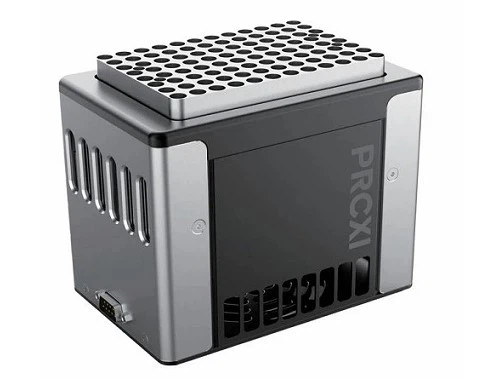
Centrifugation HEPA Module
It incorporates a High-Efficiency Particulate Air (HEPA) filtration system into the centrifuge to ensure a clean and sterile environment within the centrifuge chamber. HEPA filters remove airborne contaminants such as dust, bacteria, and viruses, thereby minimizing the risk of sample contamination during centrifugation. This is common in sensitive applications such as cell culture, microbiology, or molecular biology.
Factors to Consider When Choose Centrifugation Function Modules
When shopping for centrifuge module, you’ll be looking for something that meets all of your current needs as well as potential future needs. The main factors to consider to ensure you make the right choice when selecting a lab centrifuge module are:
Maximum RPM and RCF
How fast do you need your centrifuge to go? This might seem like a straightforward question, but bear in mind that RCF (relative centrifugal force) is more important than RPM (revolutions per minute) when discussing centrifuge speed. RCF (also known as G-Force) is the force being exerted on the contents of the rotor, and is the metric you should be most concerned about. RCF does depend on RPM (the rate at which the rotor is spinning), but it also depends on the radius of the rotor.
Rotors Available
Each centrifuge model is compatible with a limited set of rotors and accessories, so you’ll need to look closely at what’s available. Here are the main things to consider:
● Compatibility with vessels: The centrifuge you choose needs to have rotor options that are compatible with your choice of vessel. For example, you’ll need to think about which tube shapes and sizes you will be using, or whether or not you’ll need to use PCR strips or microplates at some point.
● Rotor style: The main styles available are fixed-angle and swing-out rotors, and centrifuges may have options for one or the other or both. Other styles include vertical rotors, microlate rotors, and PCR strip rotors.
● RCF: As well as noting the maximum RCF of the centrifuge itself (as mentioned above), you also need to ensure your desired rotor will be able to handle your required RCF. Most rotors cannot operate at a centrifuge's maximum RCF, so you should be aware of the RPM/RCF limits of compatible rotors when considering your centrifuge. These are included in the manufacturer's specifications.
Temperature Range
Many centrifuges run at room temperature, with no cooling or heating options. However, there are refrigerated versions of some units that offer low temperatures, often down to -10°C or -20°C. Similar to RPM and RCF, not all rotors can achieve the same temperatures when using a refrigerated centrifuge. Some manufacturers will list the minimum achievable temperature for each rotor.
Safety Features
Centrifuges can pose multiple safety risks, but thankfully, many manufacturers build in safety features to help protect users and surrounding equipment. Here are some to look out for:
● Electronic lid-lock: To prevent the lid being opened accidentally while the centrifuge is running.
● Imbalance sensor: This senses when the centrifuge has not been balanced properly, and stops the centrifuge if a high level of vibration is detected.
● Sealed rotors: To prevent leakage of bio-hazardous substances during the centrifugal process.
● Rotor-recognition technology: This senses which rotor is installed and ensures that the rotor does not achieve a speed that surpasses the maximum speed it may be used at.
Logistical Factors
When deciding on a centrifuge, it’s important to keep in mind logistical factors such as where the unit will be placed. All centrifuges produce some degree of vibration while running, so should be kept away from equipment that may be sensitive to this, such as lab balances.
There is also the concern that some units can be rather noisy, and could disrupt the lab environment, especially when running for long periods of time. Manufacturer specifications will often tell you what the approximate noise level (measured in decibels) will be when the centrifuge is running at max speed, so you can compare the level for various units.
Warranty Options
As mentioned, a lab centrifuge can be a big investment. As such, it’s wise to look ahead and scope out the warranty options offered by each manufacturer. For example, many modules offers a one or two-year warranty depending on the model.
Certificate Photo
Factory Photo



Frequently Asked Questions of Centrifugation Function Modules
As one of the leading function modules manufacturers in China, we warmly welcome you to buy function modules for sale here from our factory. All customized products are with high quality and competitive price. Contact us for pricelist and free sample.
Manual Or Semi Automatic Pipetting Workstation, Dual Module Workstations, Cellular Assays Workstation