

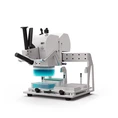


Magnetic Stand
PRCXI: Your Professional Magnetic Stand Supplier!
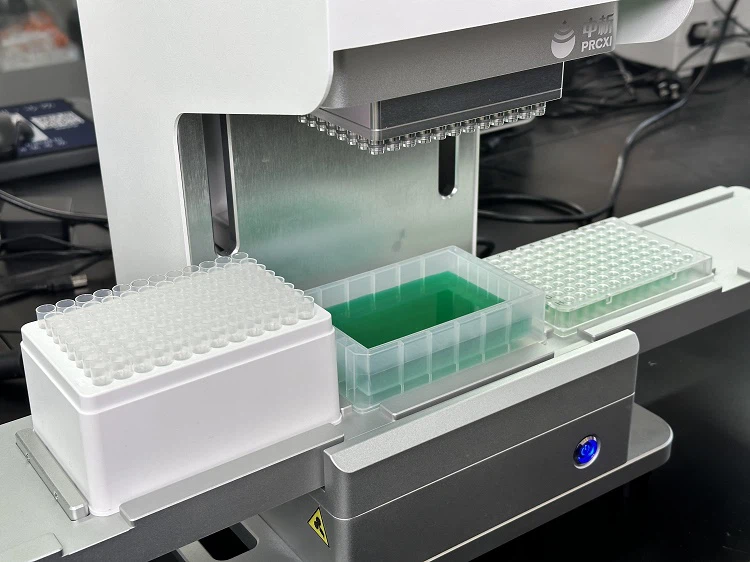
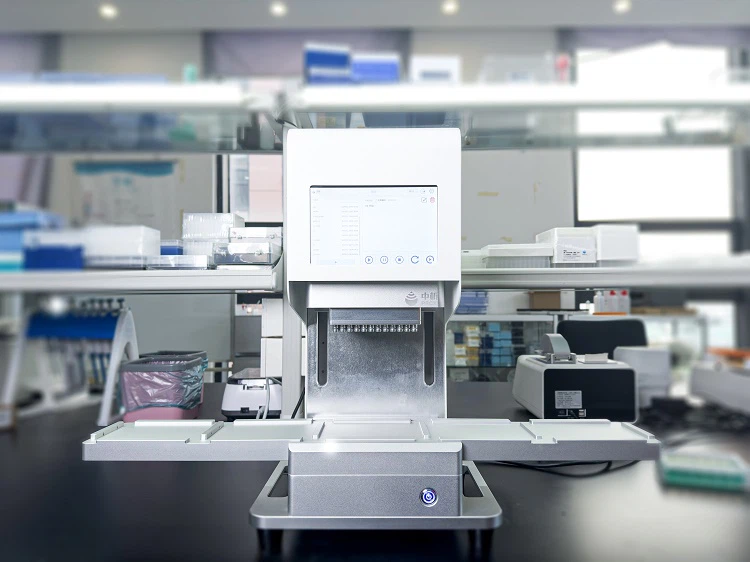
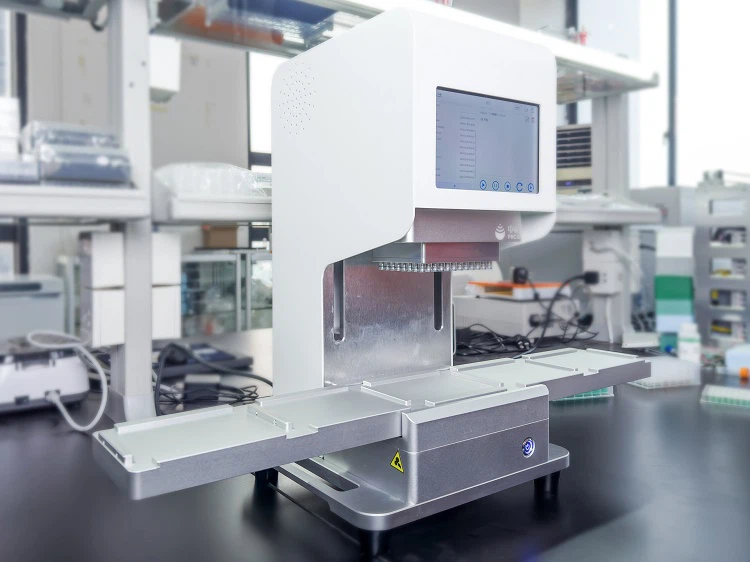
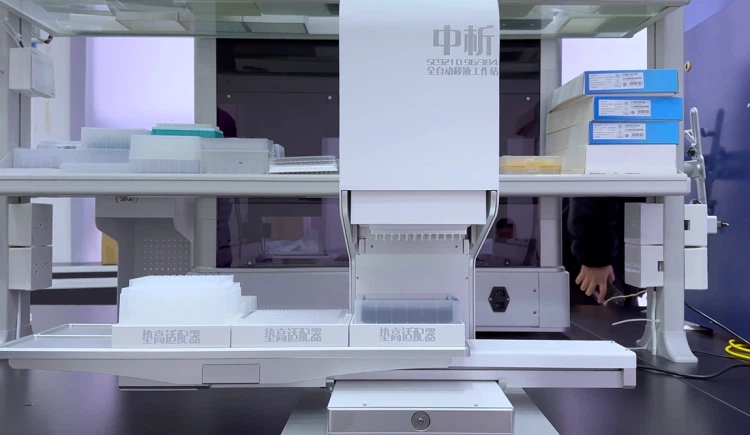
PRCXI Bioinformatics Co., Ltd. is a supplier of pipetting workstations located in Suzhou, China. Our company was established in 2014, with a 17,000-square-meter modern R&D center and a high-quality team, launched the first domestic automated pre-processing platform system with independent standards. Currently, our main products are pipetting workstations, including SC9000 manual pipetting workstation, SC9100 semi-automatic pipetting workstation and SC9320 fully automatic pipetting workstation, as well as matching magnetic stands, adapters and functional modules.
Rich Product Range
Our product lines are very rich, including high-precision micro-liquid processing platforms, fully automatic cup dispensing systems and fully automatic nucleic acid extraction systems, as well as various supporting consumables and application technologies.
Well Equipped
Our factory consists of mold processing, testing, CNC processing, sheet metal processing, assembly workshops, etc., and is equipped with advanced production equipment such as Taican precision machines, Huaqun machine tools, STAR SB20R G type, etc.
Multiple Partners
We have established friendly cooperation with a number of well-known partners in the industry, including WuXi AppTec, DIAN Diagnostics, Mgi Tech, and research institutions represented by Tsinghua University.
Quality Assurance
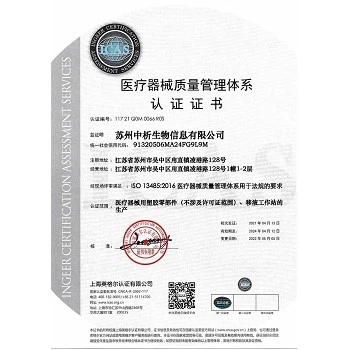
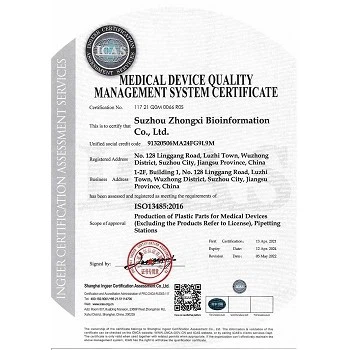
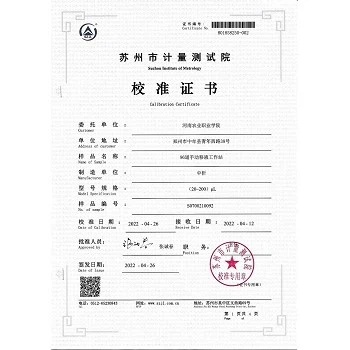
All our products undergo functional inspection and quality testing after production, and comply with ISO, CE and other standard certifications, and have multiple instrument quality testing certificates.
24 well 0.2ml Centrifugal tube magnetic holder
|
Model |
SC-M-CT0.2-24-1 |
|
Size |
126×60×22mm |
|
Volume |
0.2ml |
|
Storage |
-20℃-70℃ |
|
Beads separation |
24 samples |
|
Magnetic force |
8880g vertical pull, surface magnetism>2630gs |

12 well 2.0ml Centrifugal tube magnetic holder
|
Model |
SC-M-CT2.0-12-1 |
|
Size |
126×60×22mm |
|
Volume |
2.0ml |
|
Storage |
-20℃-70℃ |
|
Beads separation |
12 samples |
|
Magnetic force |
3000g vertical pull, surface magnetism>4500gs |

16 well 2.0ml Centrifugal tube magnetic holder
|
Model |
SC-M-CT2.0-16-1 |
|
Size |
164×60×22mm |
|
Volume |
2.0ml |
|
Storage |
-20℃-70℃ |
|
Beads separation |
16 samples |
|
Magnetic force |
3000g vertical pull, surface magnetism>4500gs |

24 well 2.0ml Centrifugal tube magnetic holder
|
Model |
SC-M-CT2.0-24-1 |
|
Size |
241×60×32mm |
|
Volume |
2.0ml |
|
Storage |
-20℃-70℃ |
|
Beads separation |
24 samples |
|
Magnetic force |
3000g vertical pull, surface magnetism>4500gs |

4 well 15ml Centrifugal tube magnetic holder
|
Model |
SC-M-CT15-4-1 |
|
Size |
100×78×103mm |
|
Volume |
15ml |
|
Storage |
-20℃-70℃ |
|
Beads separation |
4 samples |
|
Magnetic force |
8880g vertical pull, surface magnetism>2630gs |

6 well 15ml Centrifugal tube magnetic holder
|
Model |
SC-M-CT15-6-1 |
|
Size |
100×118×103mm |
|
Volume |
15ml |
|
Storage |
-20℃-70℃ |
|
Beads separation |
6 samples |
|
Magnetic force |
8880g vertical pull, surface magnetism>2630gs |

8-well 15ml Centrifugal tube magnetic holder
|
Model |
SC-M-CT15-8-1 |
|
Size |
100×118×103mm |
|
Volume |
15ml |
|
Storage |
-20℃-70℃ |
|
Beads separation |
8 samples |
|
Magnetic force |
8880g vertical pull, surface magnetism>2630gs |

12-well 15ml Centrifugal tube magnetic holder
|
Model |
SC-M-CT15-12-1 |
|
Size |
100×238×103mm |
|
Volume |
15ml |
|
Storage |
-20℃-70℃ |
|
Beads separation |
12 samples |
|
Magnetic force |
8880g vertical pull, surface magnetism>2630gs |

4-well 15ml-50ml Centrifugal tube magnetic holder
|
Model |
SC-M-CT15-50-4-1 |
|
Size |
100×78×103mm |
|
Volume |
15ml-50ml |
|
Storage |
-20℃-70℃ |
|
Beads separation |
4 samples |
|
Magnetic force |
8880g vertical pull, surface magnetism>2630gs |

4-well 50ml Centrifugal tube magnetic holder
|
Model |
SC-M-CT50-4-1 |
|
Size |
100×78×103mm |
|
Volume |
50ml |
|
Storage |
-20℃-70℃ |
|
Beads separation |
4 samples |
|
Magnetic force |
8880g vertical pull, surface magnetism>2630gs |

6-well 50ml Centrifugal tube magnetic holder
|
Model |
SC-M-CT50-6-1 |
|
Size |
50×238×103mm |
|
Volume |
50ml |
|
Storage |
-20℃-70℃ |
|
Beads separation |
6 samples |
|
Magnetic force |
8880g vertical pull, surface magnetism>2630gs |

8-well 50ml Centrifugal tube magnetic holder
|
Model |
SC-M-CT50-8-1 |
|
Size |
50×178×103mm |
|
Volume |
50ml |
|
Storage |
-20℃-70℃ |
|
Beads separation |
8 samples |
|
Magnetic force |
8880g vertical pull, surface magnetism>2630gs |

12-well 50ml Centrifugal tube magnetic
|
Model |
SC-M-CT50-12-1 |
|
Size |
100×238×103mm |
|
Volume |
50ml |
|
Storage |
-20℃-70℃ |
|
Beads separation |
12 samples |
|
Magnetic force |
8880g vertical pull, surface magnetism>2630gs |

96-well 0.2ml Deep hole plate magnetic
|
Model |
SC-M-DWMP-96-1 |
|
Size |
128×86×22mm |
|
Volume |
0.2ml |
|
Storage |
-20℃-70℃ |
|
Beads separation |
96 samples |
|
Magnetic force |
1850g vertical pull, surface magnetism>3322gs |

96-well 0.2ml PCR magnetic holder
|
Model |
SC-M-PCR-96-1 |
|
Size |
128×86×8mm |
|
Volume |
0.2ml |
|
Storage |
-20℃-70℃ |
|
Beads separation |
96 samples |
|
Magnetic force |
2230g vertical pull, surface magnetism>4557gs |

96-well 0.2ml Deep PCR magnetic holder
|
Model |
SC-M-PCR-24-4 |
|
Size |
128×86×8mm |
|
Volume |
0.2ml |
|
Storage |
-20℃-70℃ |
|
Beads separation |
6 samples |
|
Magnetic force |
1720g vertical pull, surface magnetism>3998gs |

96-well 0.2ml half-edge PCR magnetic holder
|
Model |
SC-M-PCRRH-96-1 |
|
Size |
128×86×26mm |
|
Volume |
0.2ml |
|
Storage |
-20℃-70℃ |
|
Beads separation |
96 samples |
|
Magnetic force |
2230g vertical pull, surface magnetism>4557gs |

96-well 0.2ml Magnetic stand
|
Model |
SC-M-DWMP-96-5 |
|
Size |
128×86×8mm |
|
Volume |
0.2ml |
|
Storage |
-20℃-70℃ |
|
Beads separation |
96 samples |
|
Magnetic force |
1720g vertical pull, surface magnetism>3998gs |

384-well 0.2ml PCR magnetic holder
|
Model |
SC-M-PCR-384-1 |
|
Size |
128×86×12mm |
|
Volume |
0.2ml |
|
Storage |
-20℃-70℃ |
|
Beads separation |
384 samples |
|
Magnetic force |
1850g vertical pull, surface magnetism>3322gs |

24-well 5ml PCR magnetic holder
|
Model |
SC-M-PCR-244-1 |
|
Size |
128×86×26mm |
|
Volume |
5ml |
|
Storage |
-20℃-70℃ |
|
Beads separation |
24 samples |
|
Magnetic force |
2230g vertical pull, surface magnetism>4557gs |

What is Centrifugal Tube Magnetic Holder?
Centrifugal Tube Magnetic Holder refers to a device used in centrifugation to securely hold tubes in place during the process. It incorporates magnetic properties to ensure stability and prevent tubes from dislodging or spilling their contents under high centrifugal forces. It is equipped with rows of powerful neodymium magnets that quickly pull the beads toward the side of the tube, separating them from the solution. The beads will accumulate near the wall, slightly above the bottom of the tube, allowing you to easily pipette out the liquid without disturbing the beads.
Features of Centrifugal Tube Magnetic Holder

Easy to Expand
Our centrifuge tube racks can be linked or securely connected together, and their ends and sides are connected in four ways. You simply add or remove as many sections as needed to create the ideal size test tube rack for every job.

Rich Colors
Suitable for many types of work and available in a variety of colors, these centrifuge tube racks are ideal for sorting lab work by color to reduce sample errors or confusion.

Sturdy Structure
Made of magnetic metal material, they are square and very strong and stable, providing a safe holder for test tubes in the laboratory. They can be easily picked up and moved when necessary without worrying about the rack being fragile or unmanageable.

Multiple Sizes
These centrifuge tube racks are available in a variety of sizes for test tubes and centrifuge tubes, from larger 30m tubes to smaller 0.5 mL microtubes. They hold larger and longer tubes when the tube racks are upright, and smaller micro tubes when the tube racks lie flat on the counter surface.
Application of Centrifugal Tube Magnetic Holder
Holding Tube Clamps
Centrifugal tube holders can also be utilized to hold test tube clamps. Test tube clamps are devices designed to grip test tubes, either securing them in place or suspending them. The combination of test tube clamps and Centrifugal tube holders allows for the secure attachment and positioning of test tubes, experimental procedures.
Heating Tubes
Centrifugal tube holders are also used for heating test tubes, especially in experiments that require the heating of test tubes. By using them in conjunction with a heater, test tubes can be securely fastened to the test tube rack, avoiding the unsafe practice of holding test tubes by hand. This also ensures that the test tubes remain level, preventing them from tipping over during the heating process.
Temporary Placement During Experiments
One of the fundamental purposes of a test tube rack is to stably hold test tubes. In certain experiments, it is necessary to temporarily place test tubes under specific conditions. Centrifugal tube holders can be used to position test tubes in the required locations, reducing the burden on laboratory personnel and ensuring the stability of the test tubes, preventing breakage or spillage.
Benefits of Centrifugal Tube Magnetic Holder
Here are 10 reasons why tube magnetic holder is ideal as a laboratory rack, holding your classic tubes, centrifuge tubes, microfuge tube, conical tubes, and others.
Greater Temperature Resistance
With an operating range of -150 F to +1600 F (-101 C to +871 C) and the ability to withstand rapid or cyclic temperature fluctuations, magnetic tube racks easily outperform other types of racks. It resists corrosion in atmospheric and pure water environments and in most acids, alkaline solutions, and chlorine environments.
Clean
Industrial oils, grease, and solvents can stain other types of Centrifugal tube holders, making them harder to keep clean. Metal surfaces are more likely to maintain their original appearance, and with electropolishing, they’re easier to sanitize and sterilize. Ventilation holes designed for washing Centrifugal tube holders also will not compromise the strength of a wire mesh or laser-cut sheet metal rack like it will plastic racks, for example.
Greater Versatility
Metal can be coated with plastic to gain the benefits of both products. And, while plastics molding is limited, metal can be molded, shaped, cut, bent, welded, and assembled in a myriad of ways to meet specific needs. Special high chromium and nickel-alloyed steels also resist scaling and retain strength even at high temperatures. In contrast, other types of test tubes like those made of plastic may melt when exposed to flames, potentially releasing harmful chemicals in the process.
No Water Absorption
Metal does not absorb water like plastic, wood, or foam Centrifugal tube holders. Water absorption can also lead to bacterial growth that can be a health hazard or compromise samples or solutions. When total life cycle costs are considered, including initial tooling, metal is often a less expensive material option and its durability makes it a good long-term investment, can be reused again and again.
Types of Centrifugal Tube Magnetic Holder
Centrifugal tube holder can be designed to be slanted, stackable, interlocking, or made specifically for drying. They’re also available made from a variety of different materials.
Wooden Centrifugal Tube Holders
The first classic tube racks were made of wood. While they look neat on a shelf as a vintage item, they’re rarely used as they can become damaged during autoclave sterilization processes and are tough to sanitize, trapping bacteria.
Steel Centrifugal Tube Holders
Stainless steel wire racks are highly effective as they are non-corrosive to bodily fluids, sterile, and can hold test tubes during autoclave sterilization processes without becoming damaged.
Aluminum Centrifugal Tube Holders
Aluminum may be less expensive than steel wire, however, it is not as strong and is more likely to warp, deform, or bend under weight, force, or heat.
Plastic Centrifugal Tube Holders
Plastic Centrifugal tube holders, such as polypropylene centrifugal tube holders, Nalgene tube racks, and acrylic Centrifugal tube holders, were once thought to be the best solution for material handling due to perceived durability but they’re more easily damaged than American steel racks.
Foam Centrifugal Tube Holders
While they’re economical, flexible enough to accommodate many types of test tubes, and able to float in water baths, open-cell foam racks are easily damaged and are unable to be sterilized in an autoclave.
Factors to Consider When Choose Centrifugal Tube Holder


Holder Material
● Plastic: Plastic Centrifugal tube holders are lightweight, cheap and do not corrode. They can be used in almost all kinds of laboratory activities and cleaning them is easy.
● Metal: Metal racks made of stainless steel or aluminum are sturdy, can withstand harsh chemicals and autoclaving. They are good for hot environments or corrosive ones.
● Wood: These are not common but they serve some purposes. However, wooden versions are not long-lasting as plastic or metal versions and require more care to prevent damage by moisture or chemicals.
Tube Size Compatibility
Ensure the chosen Centrifugal tube holder caters for those that you use during your experiments regarding size and type. Some examples of such include those meant for microcentrifuge tubes and standard test tubes among others.
Capacity
Consider how many tubes you want to hold at once before you decide on the particular type of Centrifugal tube holder to buy. Ranging from racks containing just a few tubes up to several dozens, this will suit your daily laboratory needs.
Configuration
Choose between horizontal and vertical racks based on your workspace’s configuration as well as your preferred method of accessing tubes. While horizontal racks allow easy access to the content inside them, vertical types save space.
Stability
Spills can be avoided only if stability is maintained all the time. Racks that have strong bases and non-slipping grip feet should be considered for use because they give a secure feeling when placed in position.
Autoclavability
When sterilizing your equipment, make sure that it can be autoclaved if necessary. Usually, plastic racks can be autoclaved at a certain temperature only while metal racks are autoclavable.
Chemical Resistance
Determine whether the rack material can resist the chemicals and reagents used in your experiment. The connection between some chemicals and specific materials can cause rusting and damage of the equipment.
Durability
Consider the durability of the rack especially if it will be used for longer periods or under harsh conditions. Metal racks have more life than plastic racks.
Ease of Cleaning
It is important to take into account how easy it is to clean the rack as this is a significant aspect of keeping a laboratory sterile. Check whether it is possible to clean the rack without any complications after using it.
Cost
When selecting you should also have in mind your budget. There are different priced ones but getting one that matches with what you want is however paramount. Finally, while choosing a Centrifugal tube holder for yourself, consider these following factors depending on the kind of research you are undertaking and also based on where you will carry out laboratory activities.
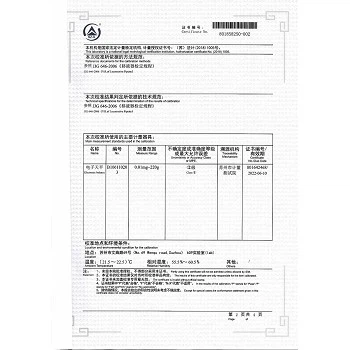
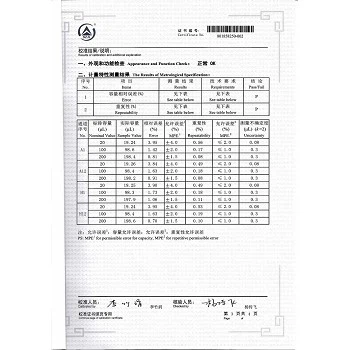
Certificate Photo
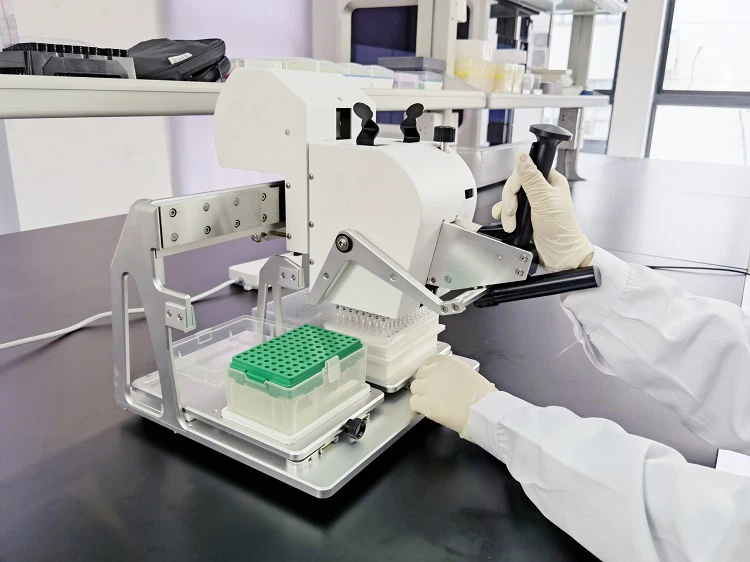
Factory Photo




Frequently Asked Questions of Centrifugal Tube Magnetic Holder
As one of the leading magnetic stand manufacturers in China, we warmly welcome you to buy magnetic stand for sale here from our factory. All customized products are with high quality and competitive price. Contact us for pricelist and free sample.
Automated Pipetting Workstation, High Throughput Pipetting Workstation, Automated Liquid Handling Workstations