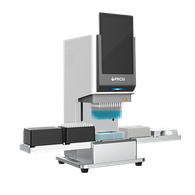


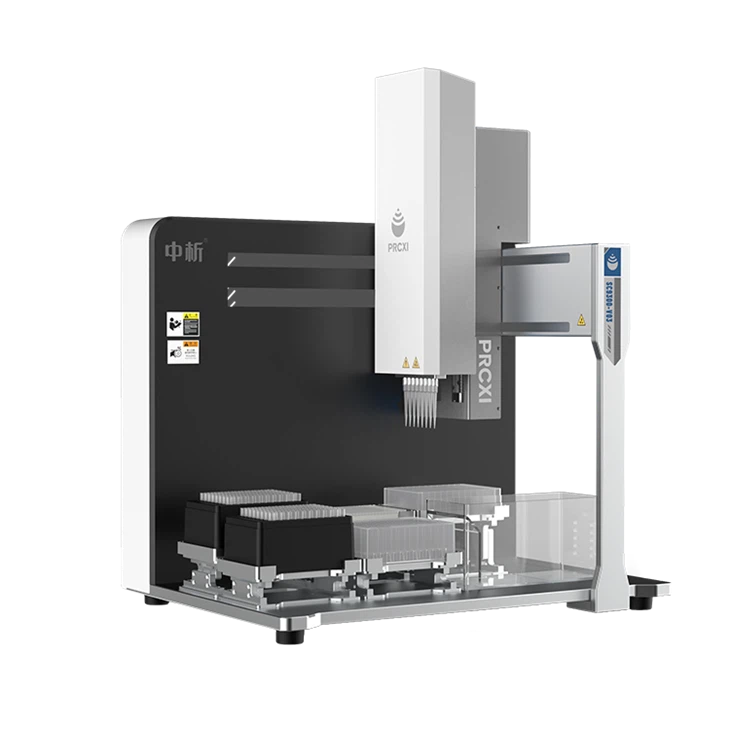


PRCXI: Your Professional Pesticide Residue Testing Workstation Supplier!
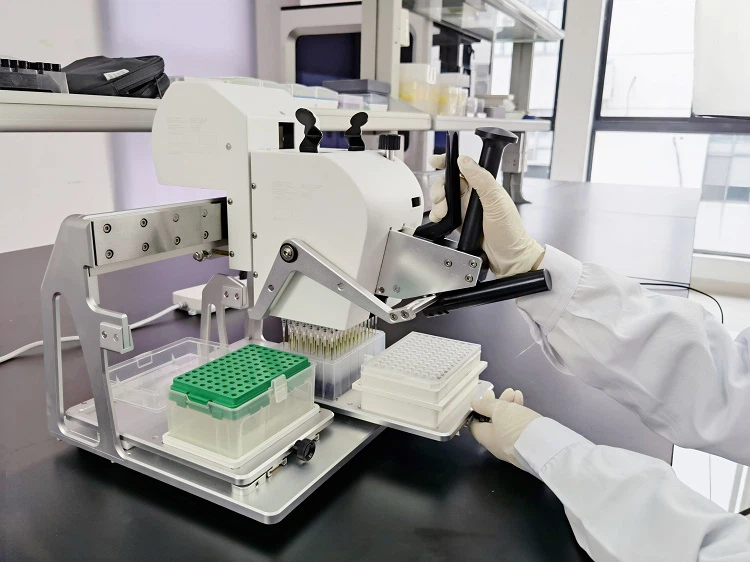
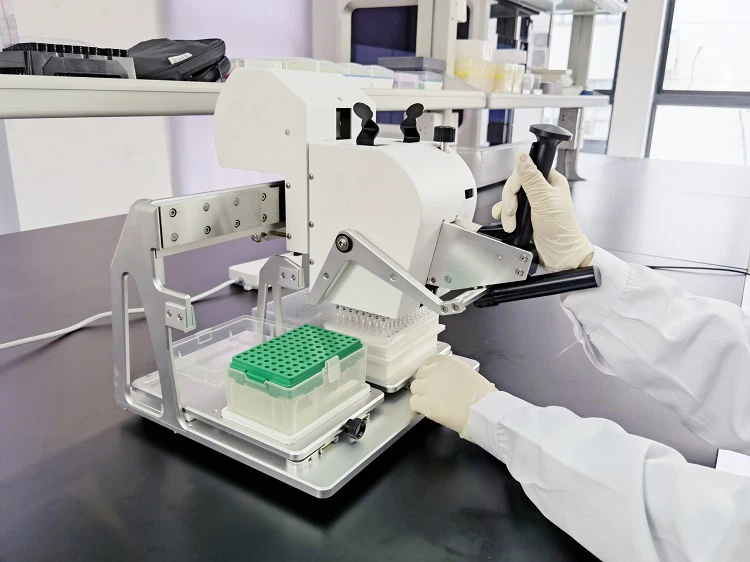
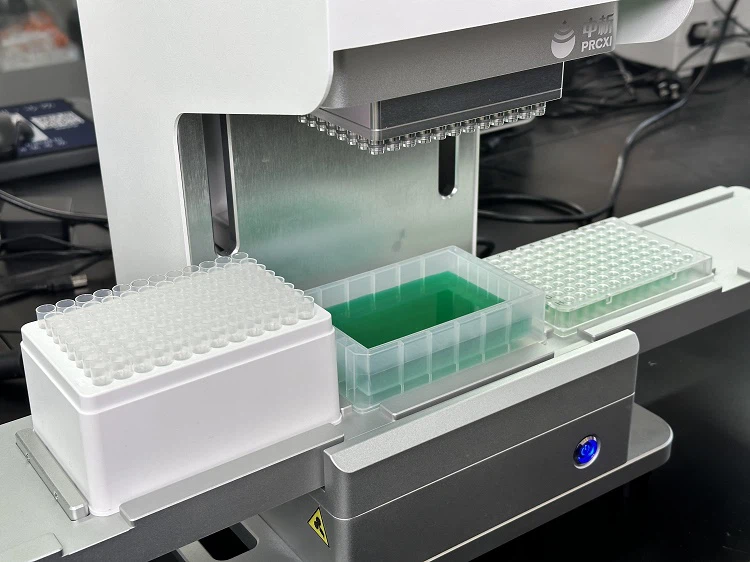
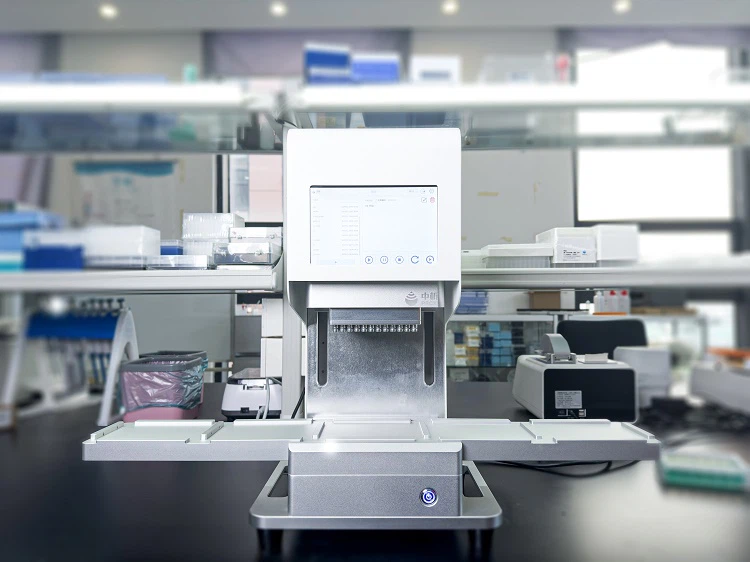
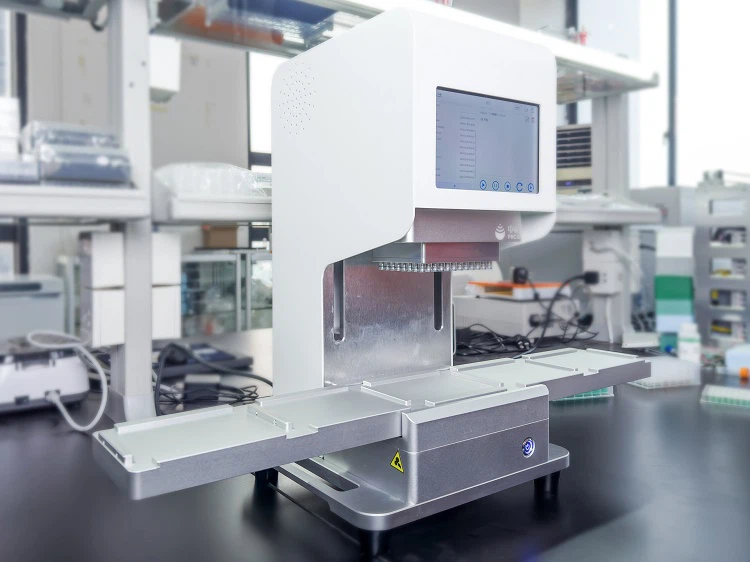
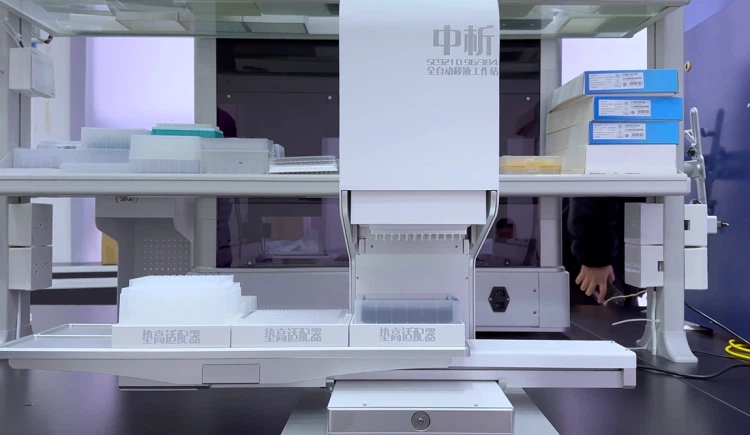
PRCXI Bioinformatics Co., Ltd. is a supplier of pipetting workstations located in Suzhou, China. Our company was established in 2014, with a 17,000-square-meter modern R&D center and a high-quality team, launched the first domestic automated pre-processing platform system with independent standards. Currently, our main products are pipetting workstations, including SC9000 manual pipetting workstation, SC9100 semi-automatic pipetting workstation and SC9320 fully automatic pipetting workstation, as well as matching magnetic stands, adapters and functional modules.
Rich Product Range
Our product lines are very rich, including high-precision micro-liquid processing platforms, fully automatic cup dispensing systems and fully automatic nucleic acid extraction systems, as well as various supporting consumables and application technologies.
Well Equipped
Our factory consists of mold processing, testing, CNC processing, sheet metal processing, assembly workshops, etc., and is equipped with advanced production equipment such as Taican precision machines, Huaqun machine tools, STAR SB20R G type, etc.
Multiple Partners
We have established friendly cooperation with a number of well-known partners in the industry, including WuXi AppTec, DIAN Diagnostics, Mgi Tech, and research institutions represented by Tsinghua University.
Quality Assurance
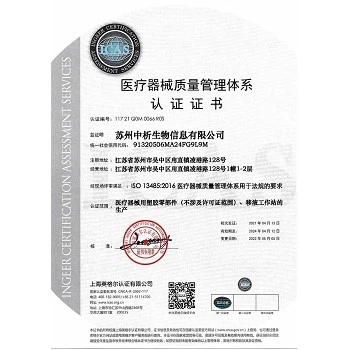
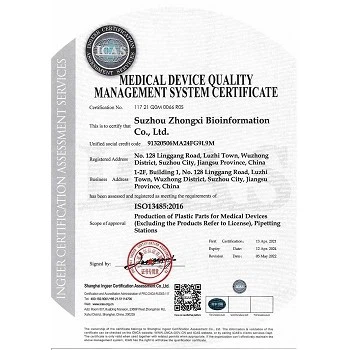
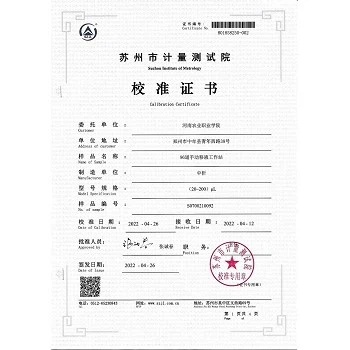
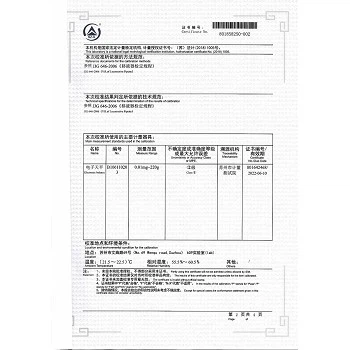
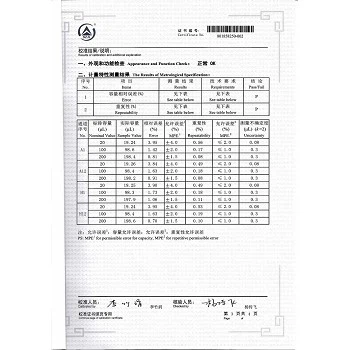
All our products undergo functional inspection and quality testing after production, and comply with ISO, CE and other standard certifications, and have multiple instrument quality testing certificates.
Our Related Products
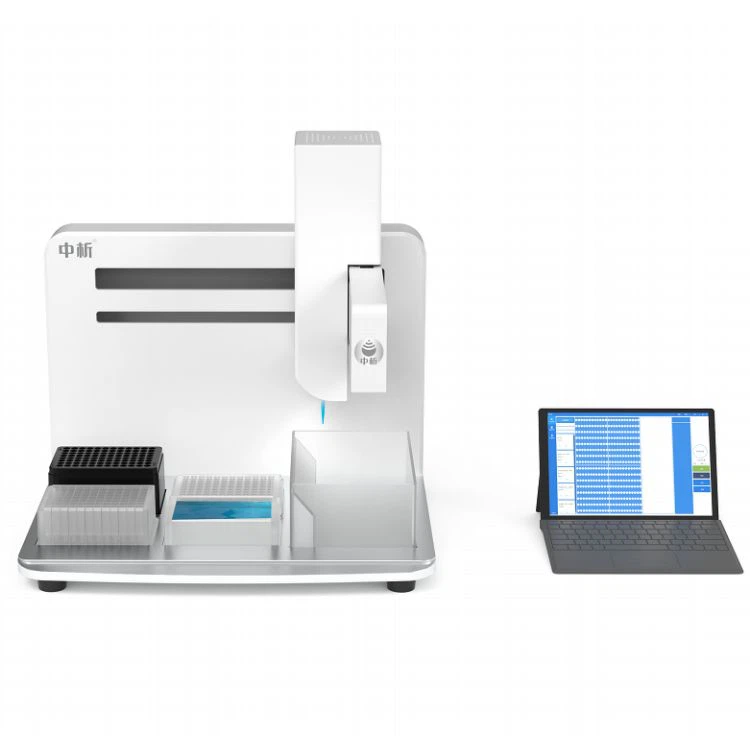
High Throughput Drug Screening Workstation
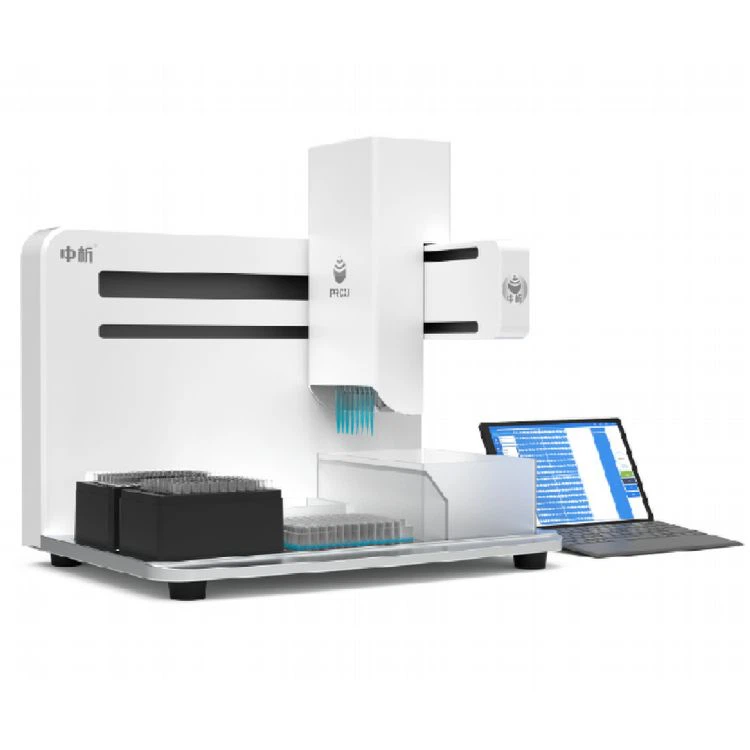
High-throughput screening (HTS) is a drug discovery process that allows automated testing of large numbers of chemical and/or biological compounds for a specific biological target, for example through binding assays. These workstations are integrated with tools needed to perform specific tasks. They can operate independently or in fully automated mode.
Antibody Experiments Workstations
Biomek Workstations can automate routine and sensitive tasks, including ELISA and protein. Antibodies are proteins that the immune system produces to fight infection. Antibody tests, also known as serology tests, look for antibodies in the blood. These tests can help confirm a diagnosis of a wide range of diseases, disorders, and infections, including COVID-19.

Automated Laboratory Workstation
An automated laboratory workstation is a facility that uses advanced technologies to perform laboratory tasks with minimal human intervention. Automated laboratory systems can improve the overall efficiency of experimental processes by speeding up tasks, cutting waste, using lower quantities of reagents.

Automated Liquid Handling Workstations
Automated liquid handling workstations use motorized systems to control the mixing, aspiration, and dispensing of liquids. They can be used in many different fields, including biology research labs and drug development labs.
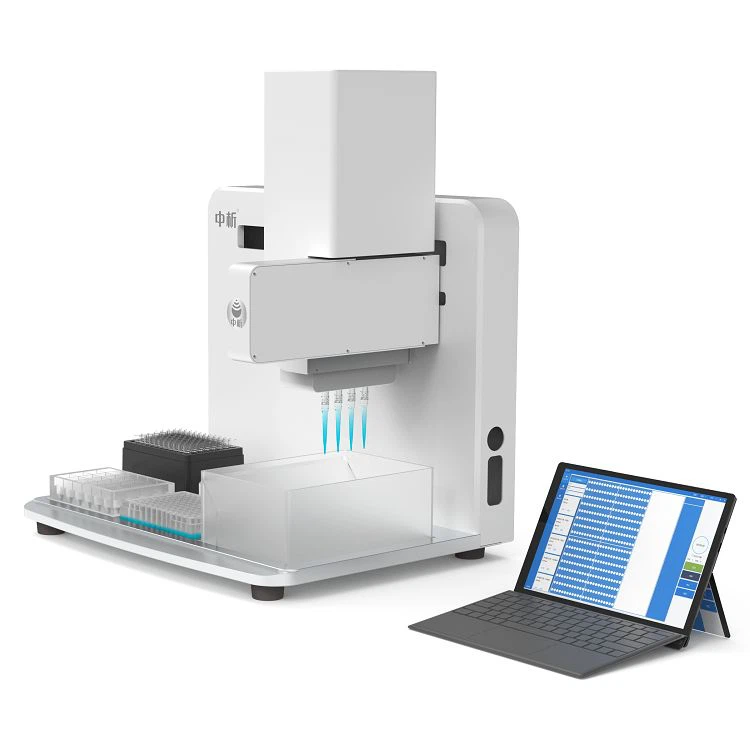
Automated pipetting workstations, also known as liquid handling robots, are instruments that can transfer liquids between containers. They can perform many tasks, including aliquoting, mixing, serial dilution, copying, pooling, temperature incubation, magnetic or vacuum based separations.

The Biomek Automated Workstation from Beckman Coulter provides the speed and performance critical to today's research environments for liquid handling. The flexible platform is available in single and dual pipetting head models combining multichannel (96 or 384) and Span-8 pipetting.

A MALDI spotting system is a device that spots peptide and protein samples onto MALDI target plates. MALDI stands for Matrix-Assisted Laser Desorption/Ionization. It's a soft ionization technique that involves a laser striking a matrix of small molecules to make the analyte molecules into the gas phase without fragmenting or decomposing them.

Laboratory Automation Workstation
A laboratory automation system consists of robots, conveyor systems, machine vision, and computer hardware and software. Specimen movement and result reporting are based on the identification of specimens using bar coded specimens and bar coded specimen carriers.

Automated Ngs Library Prep Workstation
An automated NGS library prep workstation is a robotic system that can handle liquid handling for next-generation sequencing (NGS). From just a few samples a week to hundreds a day, automation of NGS sample preparation allows you to reproducibly create high quality libraries for reliable next-generation sequencing (NGS).
What is Pesticide Residue Testing Workstation?
Pesticide residue testing is a chemical and microbiological analysis that determines the level of pesticides in food products. This process helps ensure that food products comply with regulations. Pesticide residue testing can be challenging due to the wide range of pesticides and sample types. The process involves sample preparation: Removing excess water, organic acids, fatty acids, sugar, and pigments. It also requires highly accurate calibration standard solutions. This can be achieved by preparing and diluting stock solutions, and using gravimetric methods instead of volumetric.
Features of Pesticide Residue Testing Workstation
Fast Weighing
Our pesticide testing workstations are equipped with automatic pipetting pans and use a 1 mg balance under standard conditions. This minimizes the impact of airflow on the load cell, allowing you to get results up to two times faster than a standard weighing pan.
Easy to Clean
Trays underneath them catch any spills, and they're easy to clean by simply lifting the two off. Made from powder-coated stainless steel, these balances offer overload protection and resistance to harsh chemicals that leave behind material residue.
Ergonomic
These inspection stations can be used without the need to constantly open and close the draft shield door. They also feature an ergonomic stand where the scale terminal can be placed at eye level to avoid excessive bending of your neck when in front of the scale for extended periods of time.
Automatic Data Processing
These inspection devices feature an intelligent operating system that allows you to quickly connect your balance to the LabX software and further benefit from the balance's SOP user guide and automatically record and calculate data for tasks and centralized control of the instrument.
Analysis Methods of Pesticide Residue Testing
Folded Gas Chromatography-mass Spectrometry
GC/MS is the most widely used method for pesticide residue analysis. In order to pursue higher sensitivity and accuracy, GC/MS often chooses ion mode (SIM) to confirm the target substance based on retention time, characteristic ions and ion ratio relationships. However, traditional GC/MS and other pesticide residue analysis techniques are expensive and time-consuming. This has brought a lot of inconvenience to the supervision of agricultural products before, during and after production by the food safety supervision department.
The Chemical Rapid Measurement Method
It is mainly used for the rapid detection of organophosphorus pesticides based on the oxidation-reduction reaction and the effect of the hydrolysate and the detection solution. However, the sensitivity is low, the use is limited, and it is easily interfered by reducing substances.
Immunoassay Methods
It mainly radioimmunoassay and enzyme immunoassay, the most commonly used is enzyme-linked immunoassay(ELISA), based on the specific recognition and binding reaction of antigens and antibodies, artificial antigens need to be prepared for small molecular weight pesticides. Before the immunoassay can be performed.
The Enzyme Inhibition Method
The method is mainly based on the specific inhibition of acetylcholinease by organophosphorus and carbamate pesticides.
The in Vivo Detection Method
It mainly uses the sensitive response of living organisms to pesticide residues, such as feeding samples to house flies and observing the mortality rate to determine the amount of pesticide residues. The method is simple to operate, but the qualitative is rough, the accuracy is low, and the scope of application to pesticides is narrow.
Typical Workflow for Pesticide Residue Testing
Prepare Stock Standard Solution
Individual stock standard solutions typically are prepared to a concentration of 1 mg/mL. The required amount of pure pesticide reference standard (typically 10 – 50 mg) should be weighed out using a 4- or 5-decimal place balance or scale, depending on the method. Transfer to an appropriate volumetric flask, dissolve in a suitable solvent, and make up to the required volume to achieve the desired concentration. Label the flask with all relevant information. Liquid reference standards can be dispensed, by weight, directly into the solvent. It is also possible to purchase ready-made stock standard solutions of pesticide reference standards, if they are certified by the manufacturer or by an independent source.
Prepare Intermediate / Working Standard Solution
Working standard solutions typically have very low concentrations, in the range of 0.005 – 0.01 µg/mL. To achieve such low concentrations, it may be necessary to create intermediate solutions and dilute further to achieve the required concentration. For a multi-residue method, several pesticide standards are mixed. Combine appropriate quantities of the individual stock standard solutions to create the concentrations required for comparison against the sample under investigation.
Prepare an Extract of the Sample
Preparation of samples for pesticide residue analysis is a complex procedure and is dependent upon the sample type, the pesticides under investigation and risk of cross-contamination. In a complex sample matrix, it is necessary to remove unwanted interferences in order to focus on the pesticide content. Common extraction preparation techniques for pesticide residue analysis are QuEChERS (Quick, Easy, Cheap, Effective, Rugged and Safe) and Accelerated Solvent Extraction (ASE).
Measurement by GC-MS / LC-MS
Samples are typically analyzed using gas chromatography (GC) or high performance liquid chromatography (HPLC) in conjunction with mass spectrometry (MS) for identification and quantification of the pesticides present. The extracted samples are introduced into the analyzer in accordance with the manufacturer's instructions.
Data Evaluation and Storage
The results from the sample are compared to those from the working standard solution to identify and quantify the pesticides in the sample. This is typically done automatically by the analyzer, delivering results in mg/kg. To comply with pesticide limit regulations, the amount of each residue must not exceed the respective MRL of the target market. Results must be documented fully to ensure traceability.
Sample Selection of Pesticide Residue Testing


Each part of collecting samples for residue analysis is critical because the analysis can become meaningless if it is not reprsentative or if it has been compromised in any way. eg if it has become contaminated during or after sampling or is has been allowed to deteriorate through exposure to high temperatures or light. The nature of the sampling is determined by the objectives of the sampling excercise. What do you hope to achieve? and does the sample represent this? The sampling points should be established and marked in such a way that they can be re-visited (map, GPS field number, batch number etc).
Soil Sampling
Pesticide residues due to agricultural pest control are normally confined to the top layers of the soil. Take approximate 15 X core samples using a clean soil auger, in a W pattern as below, down to a depth of 15 cm. Mix these to form a composite sample, put 500g of this sample in the sample bag provided. Complete the details of the sample on the sample bag and the Sample Submission Form. Store in a clean cool dark place until you can get it to the laboratory.
Vegetative Tissue Sampling
The sample needs to be representative of the area/product that is being tested for. If for example you require to test the residues of beans, in a bean field, the best protocol would be to take bean samples from the four corners of the field and in the centre, mix the sample and take a sub-sample out of this sample. Put the sub-sample in a clean Crop Nutrition sample bag (more than one sample bag may be required), label clearly, chill and send to the laboratory. Vegetative tissue can 'sweat' during transport and create conditions that lead to the rapid development of moulds, which can lead to microbial degradation of the pesticide residues. It is therefore important to keep the sample cool, and transport to the laboratory as quickly as possible.
For pesticide residue analysis of produce ideally we require approximatelly 1 kg of tissue. This should be at least 6-8 units of larger commodities, (avocados etc), 500 g of berries, or 200-500 g of herbs.
Water Sampling
When taking a water sample - it is important to think about why you are doing it and what you hope to achieve. Water will tend to show pesticides for only a short time. Pesticides are often absorbed onto sediment or other organic matter and removed from aqueous solution. Some pesticide residues form a surface film, rather than being dispersed, in this case you need to take a surface water sample. Water samples often contain suspended matter, these can contain significantly higher pesticide residue than the water itself. For many purposes the water and suspended matter are considered together. For other, specialised circumstances there is merit in filtering the sample and analysing the water and suspended matter separately.
Important Considerations Include
Is the sample to be taken close to the shore or further out - in which case a boat may be needed.
At what depth the sample is to be taken - surface, sub-surface or at depth - there can be differences depending on temperature, and wether there are surface films from pollutants or decaying vegetation, or whether sediment is present at different depths.
For water coming out of a tap, or irrigation system - allow to water to run for a few minutes to flush the pipes before taking the sample.
For pesticide residue analysis of water 2 litres (2X sample bottles) of sample are required. Please label the samples properly, keep chilled and transport to the laboratory as soon as possible.
The Challenges of Pesticide Residue Analysis
The Demands of Standard Preparation
Laboratories performing pesticide residue analyses often test routinely for over 100 different pesticides. Preparation of both stock solutions and working solutions must be done with care, making the process time and labor-intensive. The pesticide reference solutions are often made in bulk and stored for future use. However, the standards must have high stability, as the pesticides can degrade over time, depending on the solvent, length of storage, temperature, light and the presence of contaminants (including traces of water).
Weighing and Calculations
Reference standards must be accurately weighed and the balance used must meet the accuracy requirements of the analytical process. The purity of the reference standard, in conjunction with the actual dosed weight, must be used to determine the precise concentration of the solution.
Traceability of Standards and Data
Traceability is important for safety and audit purposes. Should any problems arise, having traceable results enables the source of the fault to be identified and rectified. Each weighing result, calculation and dilution step must be meticulously documented to ensure traceability. Typically, results are written into a lab journal and then manually entered into a spreadsheet for analysis. Comprehensive labeling of reference stock solutions, working solutions and samples is vital.
Certificate Photo
Factory Photo



Frequently Asked Questions of Pesticide Residue Testing Workstation
Hot Tags: high throughput drug screening workstation, China high throughput drug screening workstation manufacturers, MALDL Spotting Workstation, PCR System Construction Workstation, 96 Microplate Pipetting Workstation, Automated Liquid Handling Workstations, PRCXI Pipetting Workstation, ELISA Manual Workstation